Bolifamba School Hygiene and Sanitation Facilities
Cameroon
May 2023
Local Partner: Action for Change
Project Proposal for Funding to Luena Foundation & Sumar Lakhani Foundation
Project title: Quality education, hygiene and Sanitation project
Location of Project: St Veronique nursery and primary school Bolifamba
Requesting organization: Action for change (AFC)
- E-mail Address: actionchange07gmail.com
- Tel: (+237) 675936947/653306947
- Website: www.actionchangeafc.org Brief history of the organization:

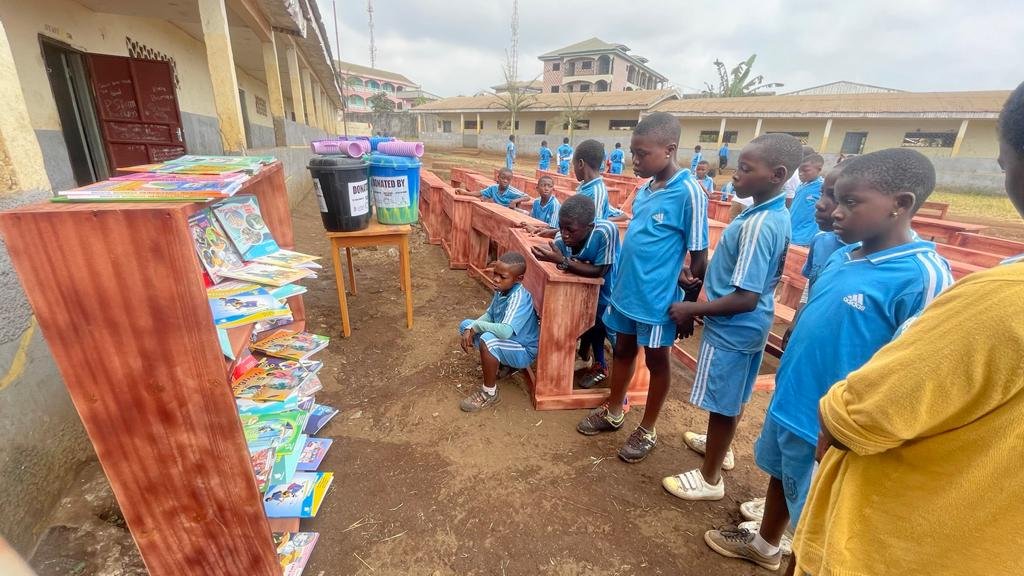
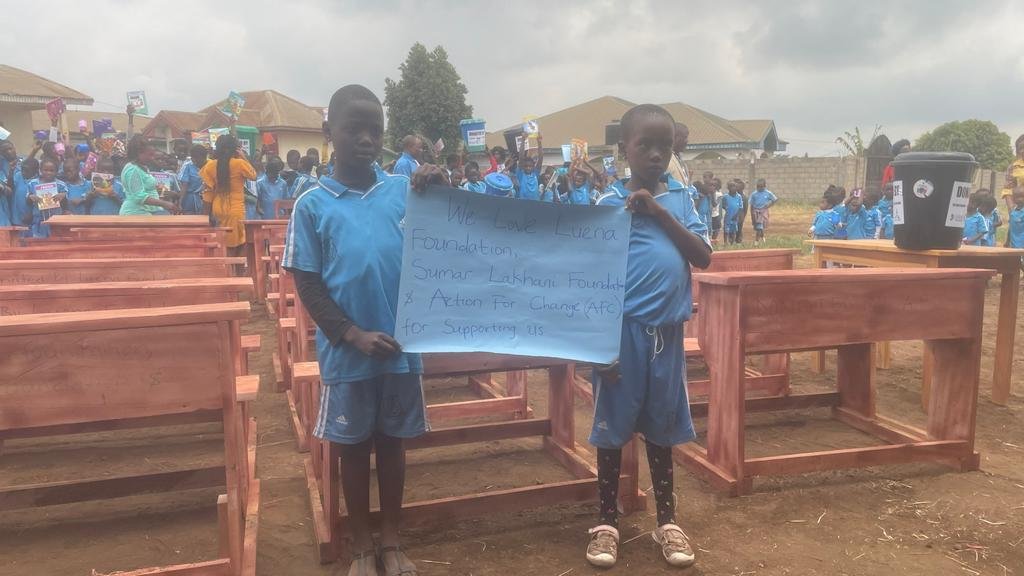
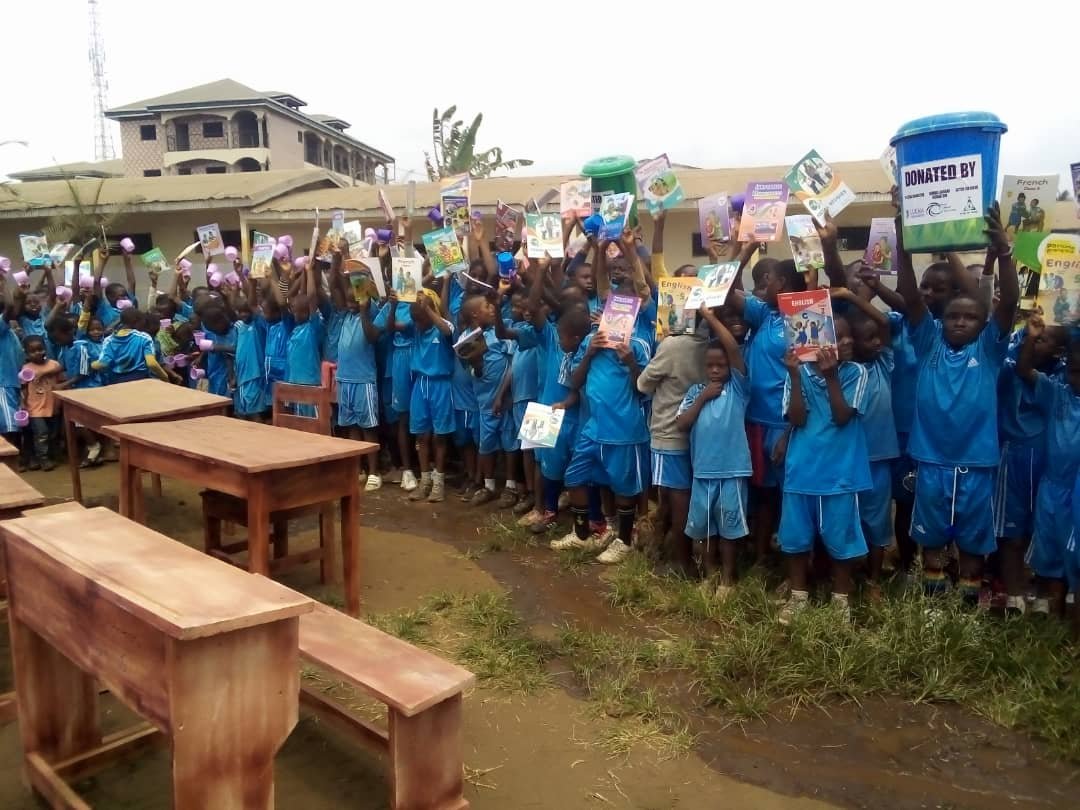
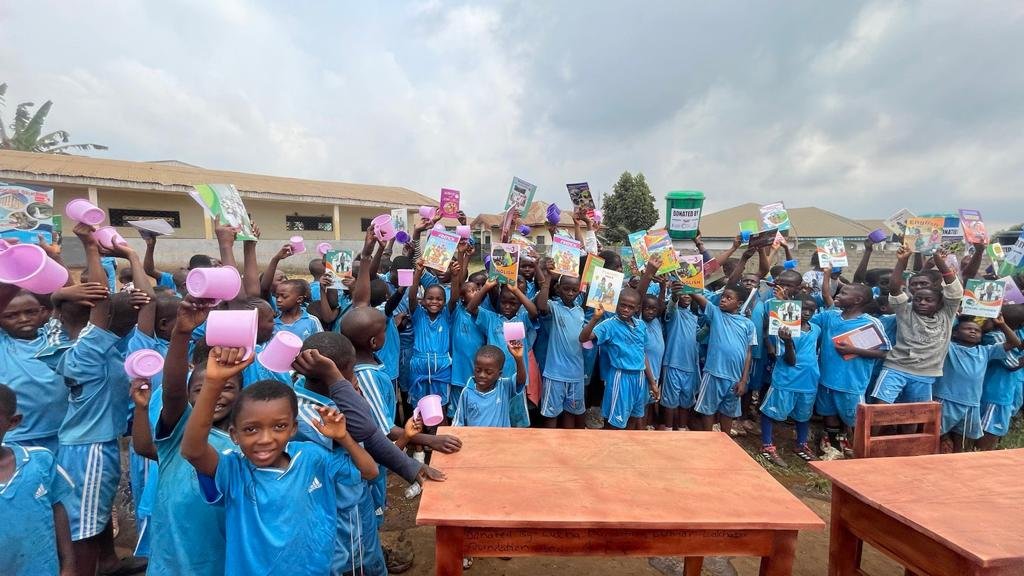
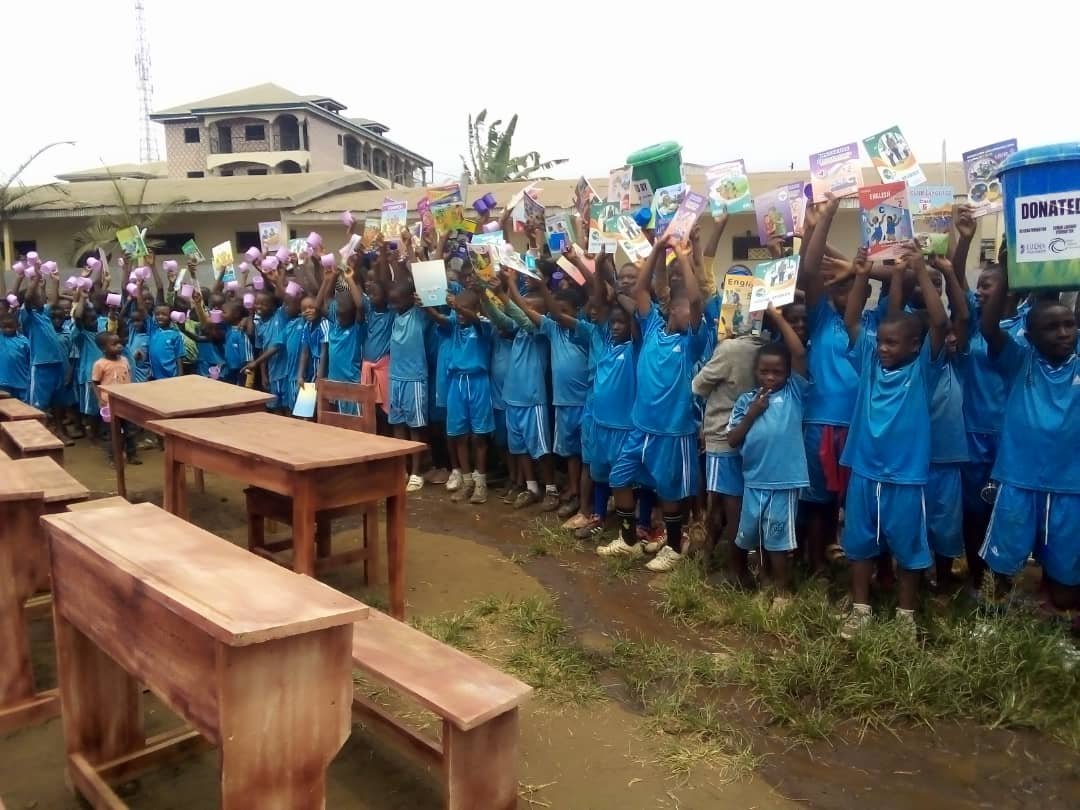
Action for change (AFC) is a non-profit, non-political, non-governmental but a development driven organization which started in 2012 as an informal voluntary group. It was later constituted and registered on November 19, 2015 with Registration No: 039/D14/5/871. The goal of AFC is to empower and sustainably improve the living conditions and the environment of children, women, vulnerable youths and disadvantaged rural and indigenous forest communities in marginalized southwest English speaking region of Cameroon with focus on holistic education, community development, water, hygiene and sanitation, environmental protection and the promotion of livelihood initiative for poverty alleviation and economic autonomy for the less privilege. Our policy of participatory approach drives our actions. We strive to maintain fairness, equity and no discrimination on the basis of sex, tribe, origin, race or religion.
Some of our recent achievements include: Widow’s vegetable garden project for better health, hygiene and sanitation project in Mombo primary school, enhancing education, hygiene and sanitation project in Soppo primary school, library project in Bolifamba secondary school, maize farming project in Bulu village community, vulnerable girls baking project in Bomaka village community, Health Education project in inter-comprehensive high school, Muea primary school project, Kombo community primary school hygiene and sanitation projects, Ndongo primary school project and Dibanda community primary school project, Ebamuke nursery and primary school project, Renovation of a toilet facility and extension of safe drinking water project at Millennium educational foundation nursery & primary school. Currently we are establishing 500 birth certificate to 500 IDPs children in six primary schools in Buea and Tiko community. This project is sponsored by Luena foundation and Global pearl.
Our partners include The Luena Foundation (USA), World Connect (USA), One World Foundation
(Bulgaria), Purley Overseas Trust (POST) in UK, Share Institute (USA), The Pollination Project (USA), Peartree Development Fund (UK), Rome 1% Development Fund (Italy), Harbinson Charitable Trust (UK), Trust 2000 (UK), Kitchen Table Charities Trust (UK), The Mercury Phoenix Trust (UK), Andrews Foundation(USA), Earth rising foundation (USA), All Sky foundation (USA), One World Fund (Ireland),
Students for Children (Netherland), Kootje Foundation (Netherland), Port Authority Douala (PAD) and EPENJA Development fund. We also collaborate with local administrative authorities, other NGOs and Community Based Organizations and have a cordial relationship with indigenous groups we seek to serve as well as with other stakeholders in development
The initiators of the project:
The local community are the initiators of the project through the management of the school (Parent
Teacher Association and the school administration). We receive their appeal letter for assistance on the
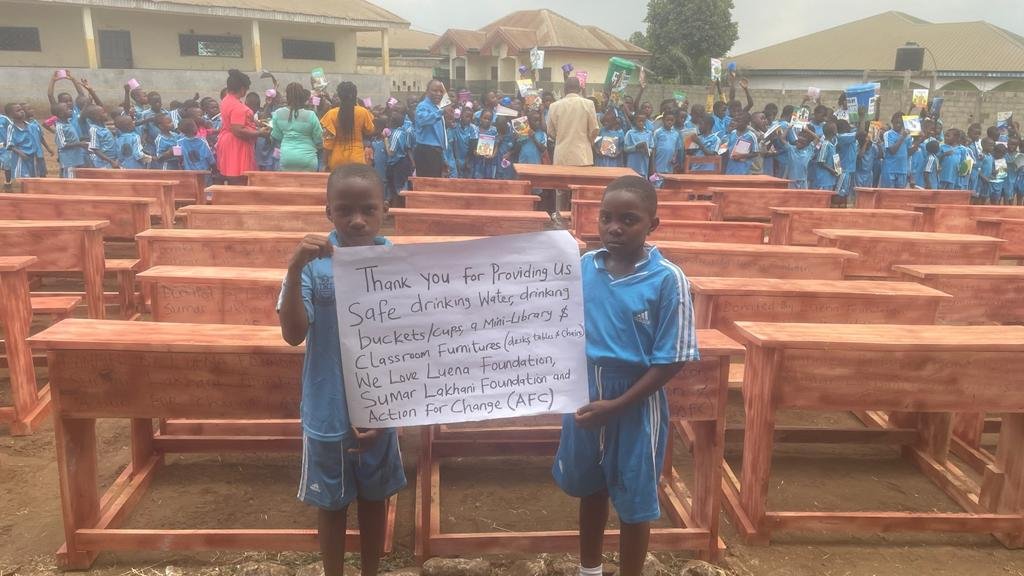
18th of November 2022. Among the numerous problems face by St Veronique nursery & primary school Bolifamba, the need for a toilet facility, safe drinking water, wash hand facilities and access to text books and other basic school materials remains a top priority in the school for the benefit of poor, needy and internally displace children attending the school.
The present situation that the project seeks to improve:
Quality education, hygiene and Sanitation project is located in St Veronique nursery and primary school in Bolifamba village community. Bolifamba community is a typical slum community in the south west region of Cameroon, with above 95% of households living below the UN poverty line. The community has a growing population of over 7000 inhabitants who are poor peasant farmers with very low income. Women and children constitute a greater majority of the population. Bolifamba village community is considered as one of the poorest communities in Buea sub-division and a host community for thousands of internally displaced persons, who have fled from other parts of the region affected by war or insecurity. Their living conditions are very deplorable as families have to manage a single room for survival. Those mostly affected are women and children who have fled into the village for the safety and education of their children. In most communities in the south west just like Bolifamba rebels are in support of community schools against government schools. This is the main reason why in most schools children come with assorted dresses without wearing uniforms.
St. Veronique nursery & primary school is one the primary schools in the community, which is being attended by very poor and needy children, aged 4-12 years, many of whom are orphans, girls and internally displaced children whose parents/guidance cannot afford fees in other schools in the community. Indeed, the establishment of the school has facilitated school attendance for school going age children who had no access before, especially the less privileged children. A total of 286 pupils attend St Veronique nursery & primary school Bolifamba, of which we have 172 girls and 114 boys based on the head teacher. The school is managed by the poor peasant community (Parent Teacher Association & the school administration), who are doing their best to ensure these children have access to education by struggling to raise funds to pay six (6) teachers employed to teach in the school.
The poor peasant community and the management of the school is unable to raise enough funds to construct a toilet facility and provide safe drinking water at the school for poor, needy and internally displaced children attending the school. Presently the school has no toilet facility and kids are advised to empty their bowels at home.
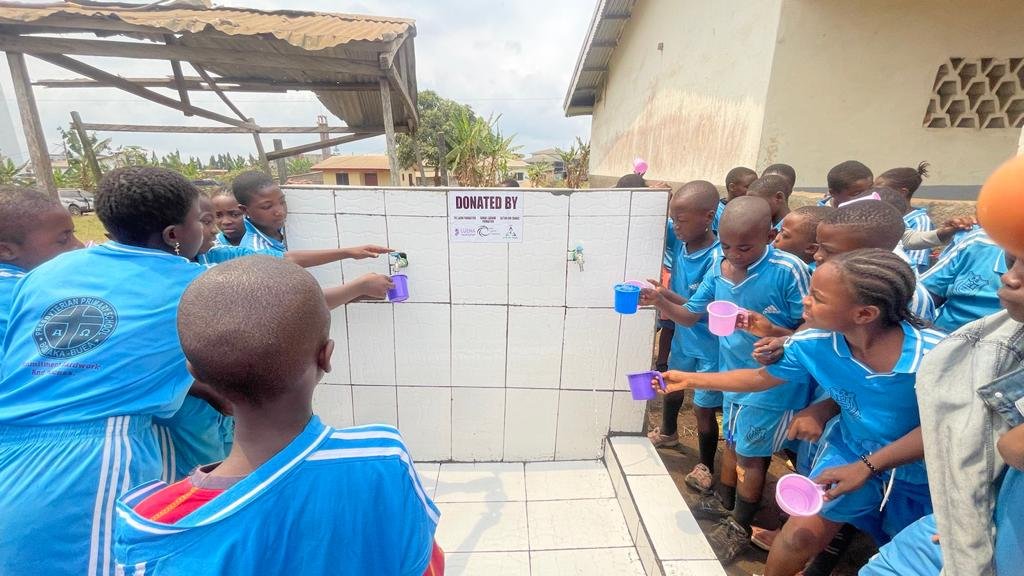
The absence of a toilet facility and safe drinking water in school has caused many children to defecate in nearby farms, corridors and pavements. Some defecate on their body, especially the very young, thus making the school environment nasty and unconducive for learning. Children sometimes abandon lessons in search of the precious liquid, water some 1.5km away from the school. This is affecting the teaching learning process in school negatively. Children end up drinking contaminated water used by domestic animals around the school campus.
Going to nearby farms to defecate also exposes the pupils to the risk of being bitten by a snake. The poor hygiene and sanitation and lack of potable water in school have often resulted in water related diseases like diarrhea and cholera. From our need assessment, there is the possibility of extending safe drinking water to this school as a water scheme already exists which is situated about 1.5km from the school.
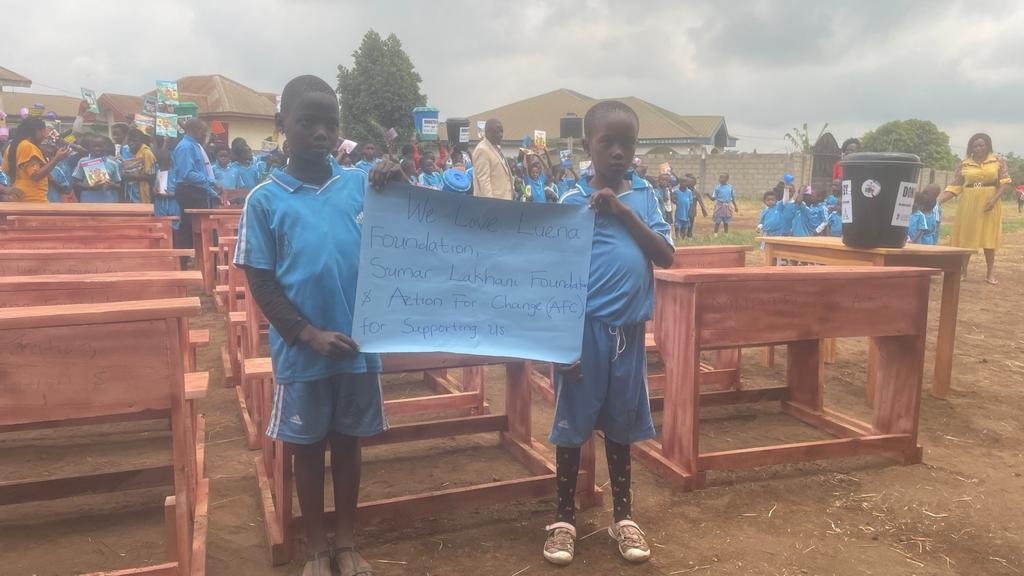
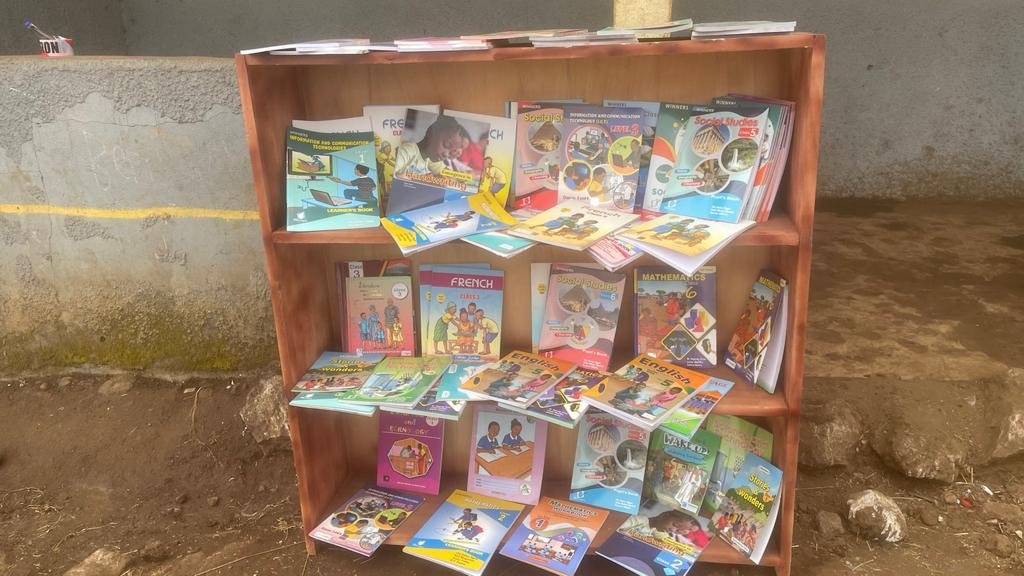
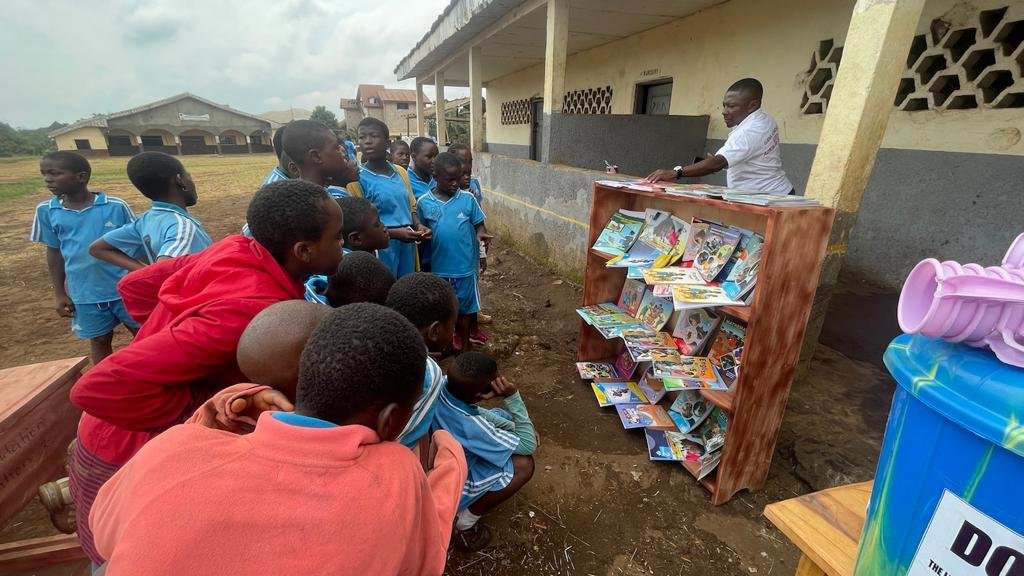
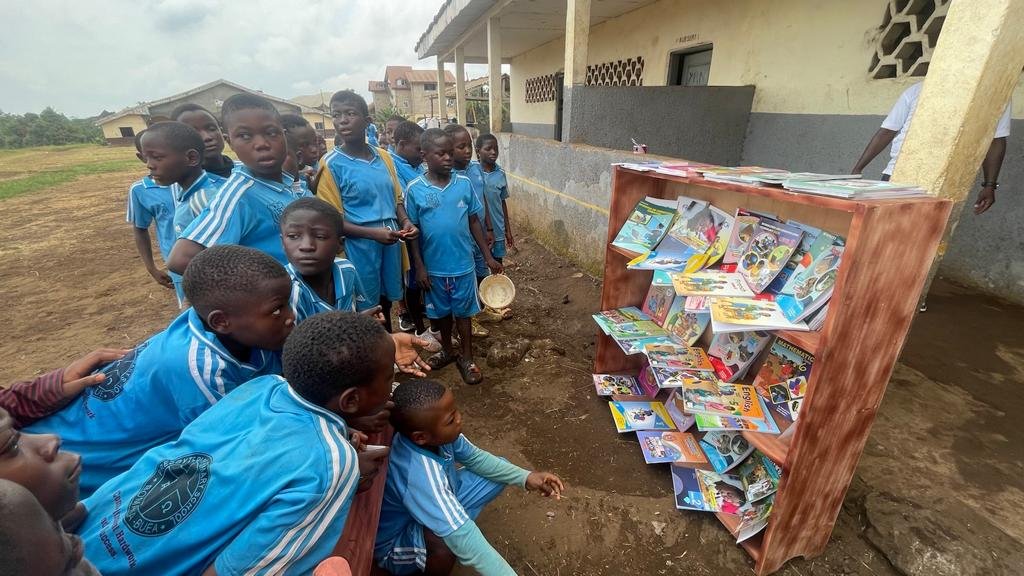
Equally, 90% of children (mostly orphans, girls and internally displaced children) attending St Veronique nursery and primary school don’t have basic school items. It is common to see kids in class with just a single exercise book serving three different subjects with no pen, no text book, no pencil or eraser. Some come to school without an exercise book or a pen to write with, due to poverty. This has made teaching and learning difficult to both pupils and teachers at St Veronique nursery and primary school.
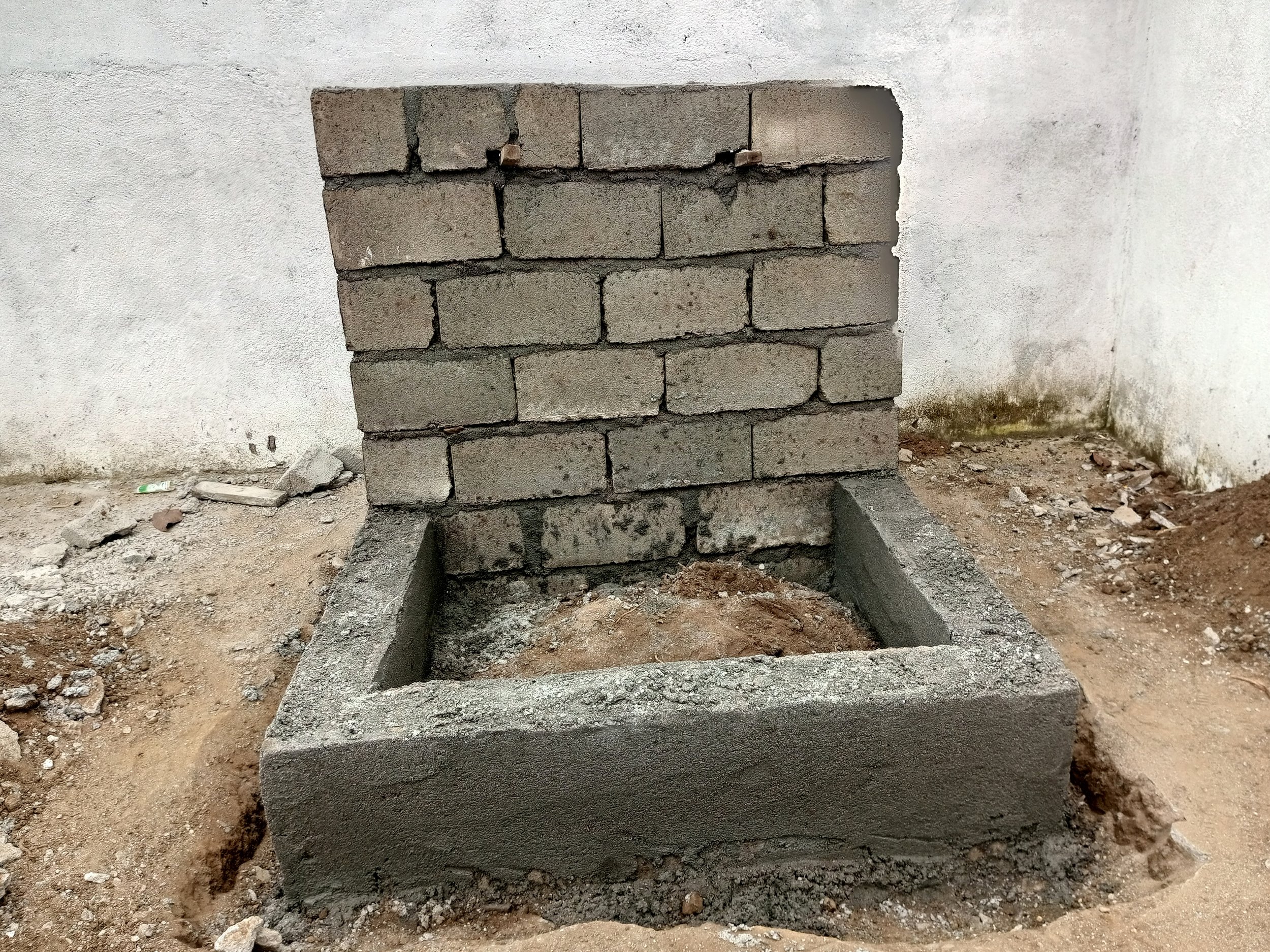
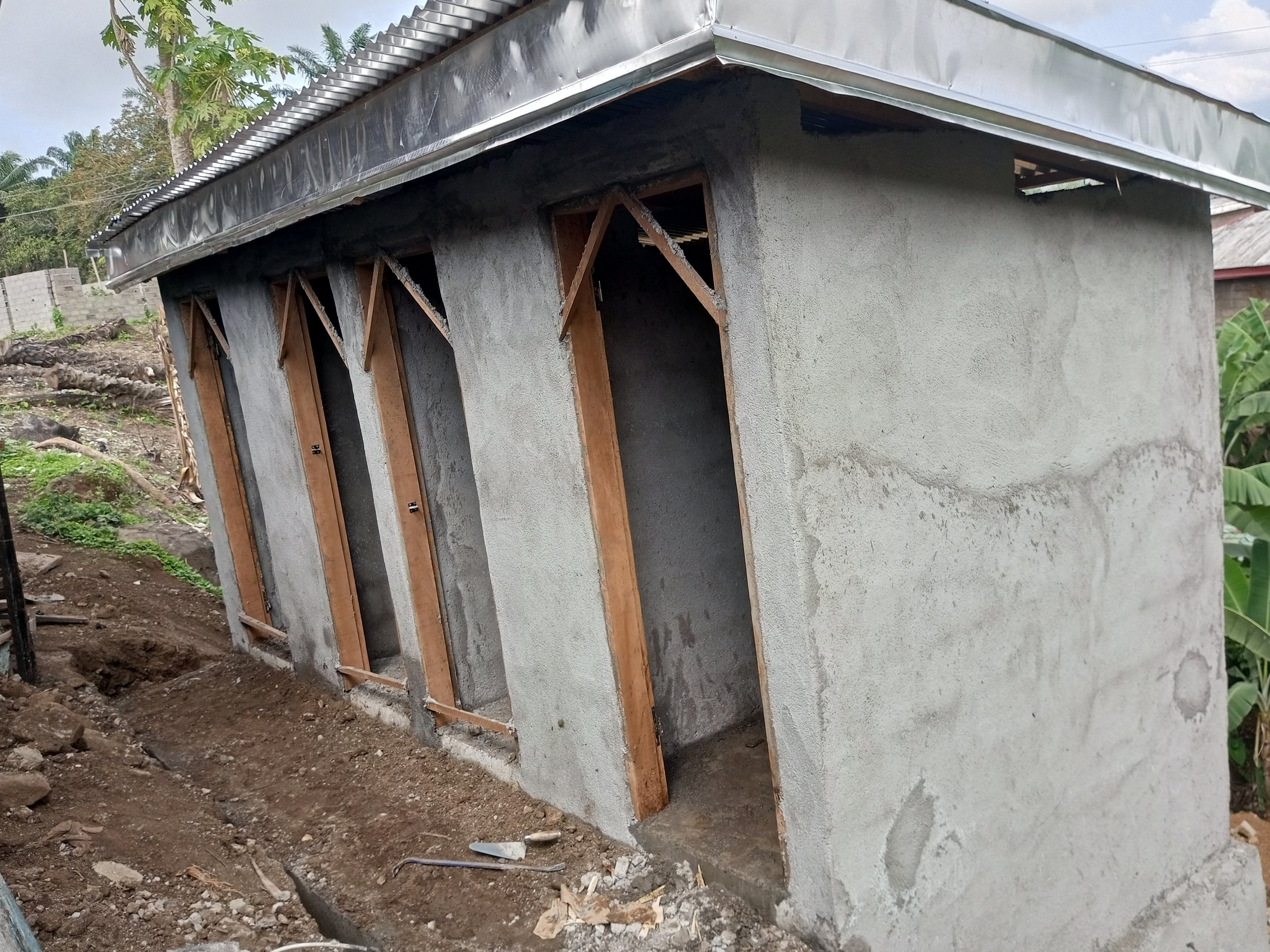
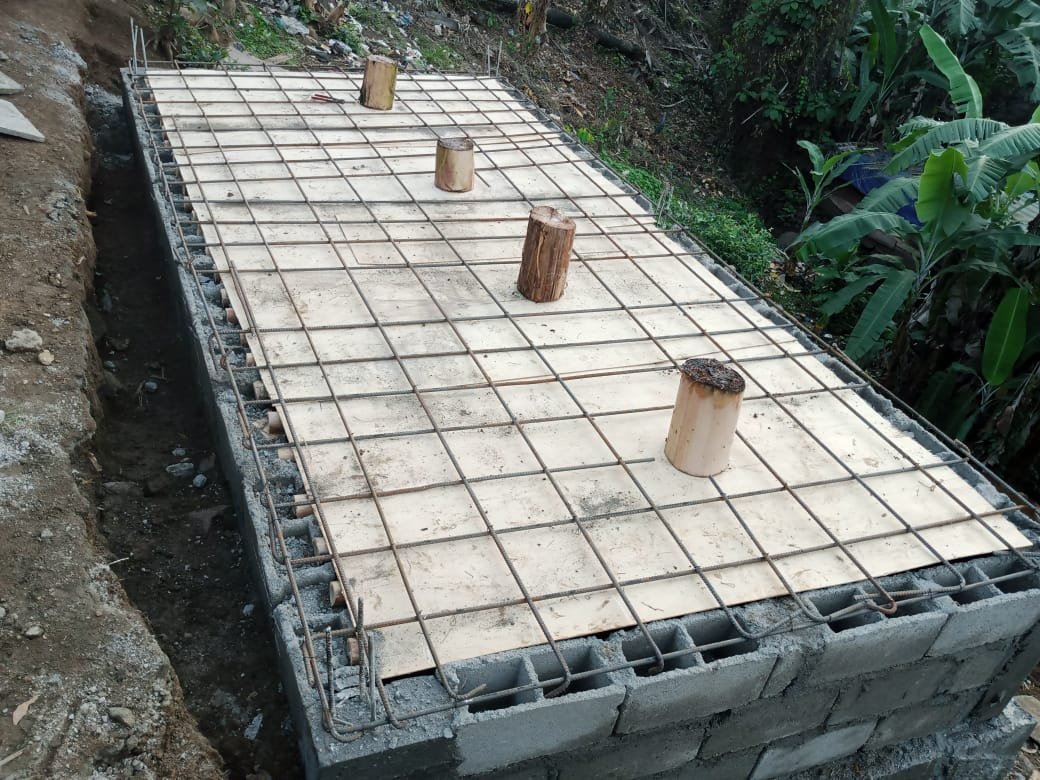
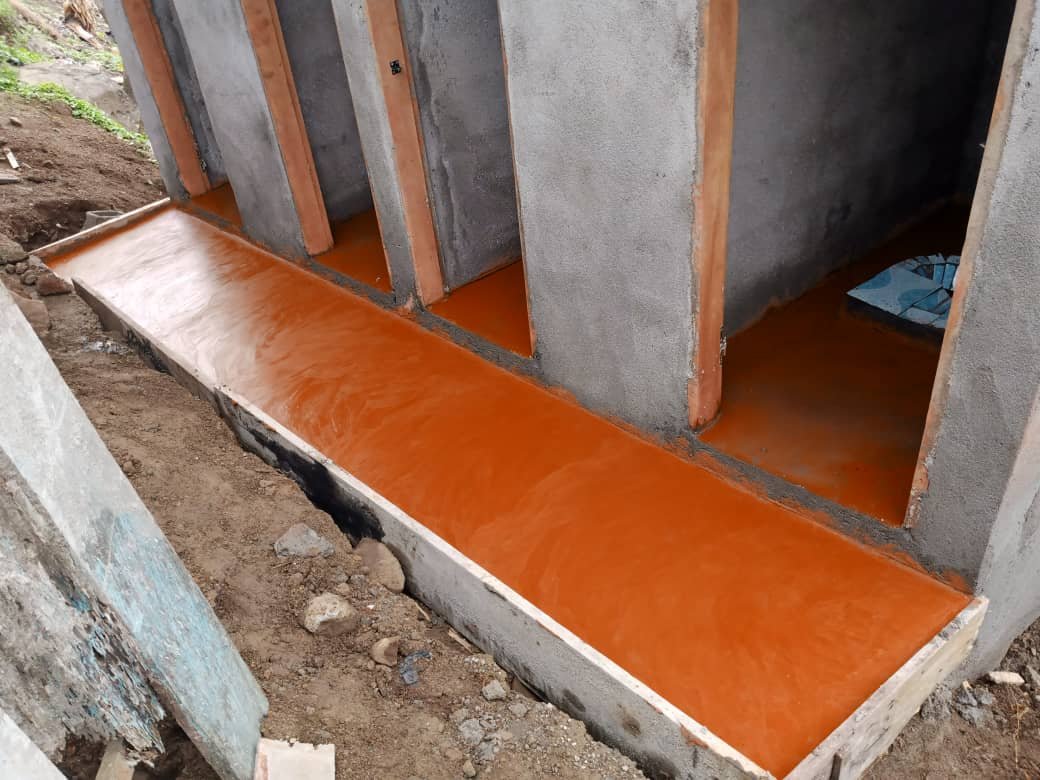
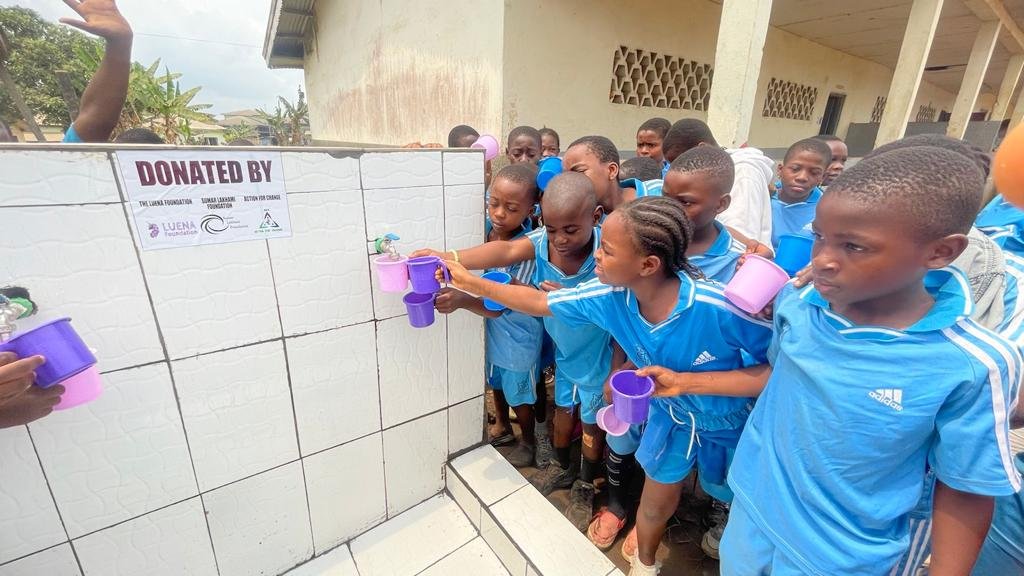
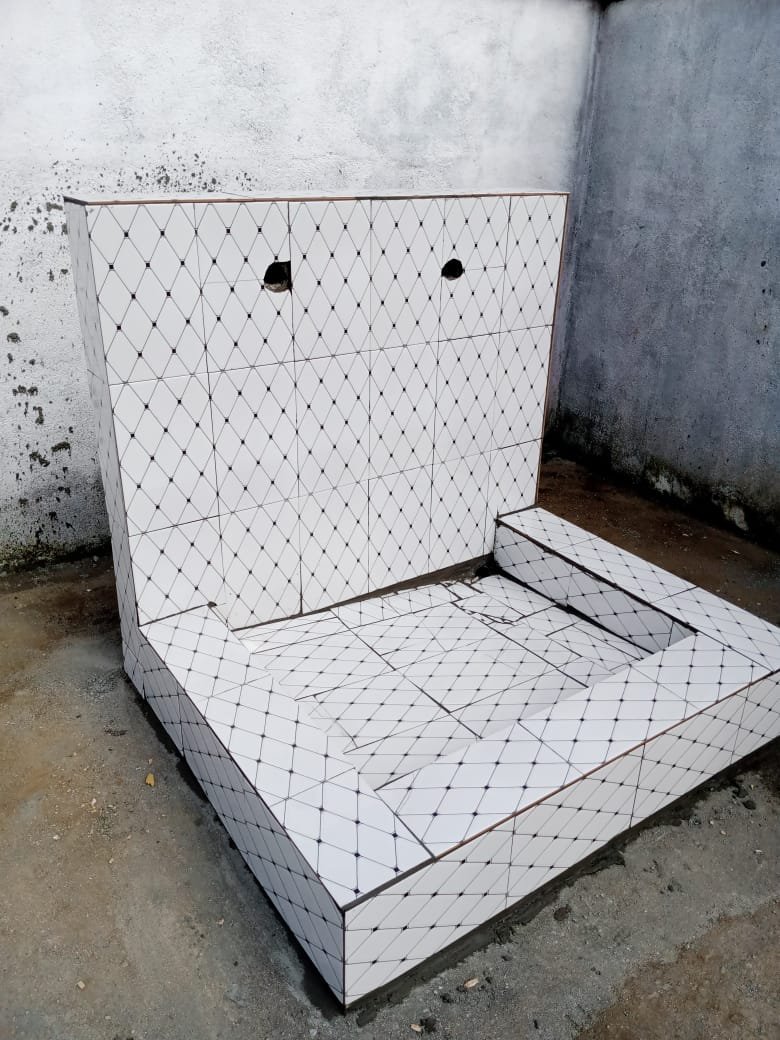
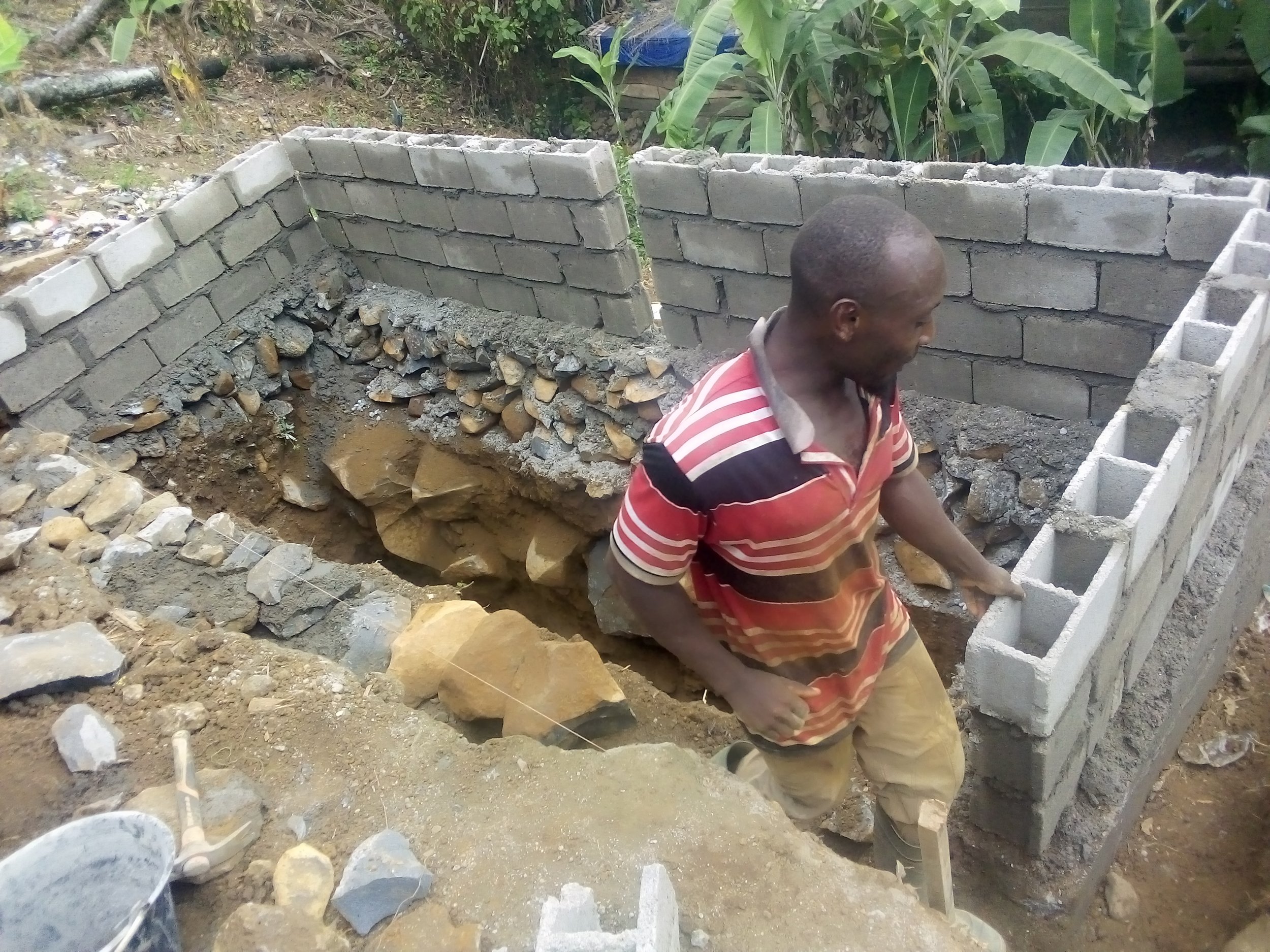
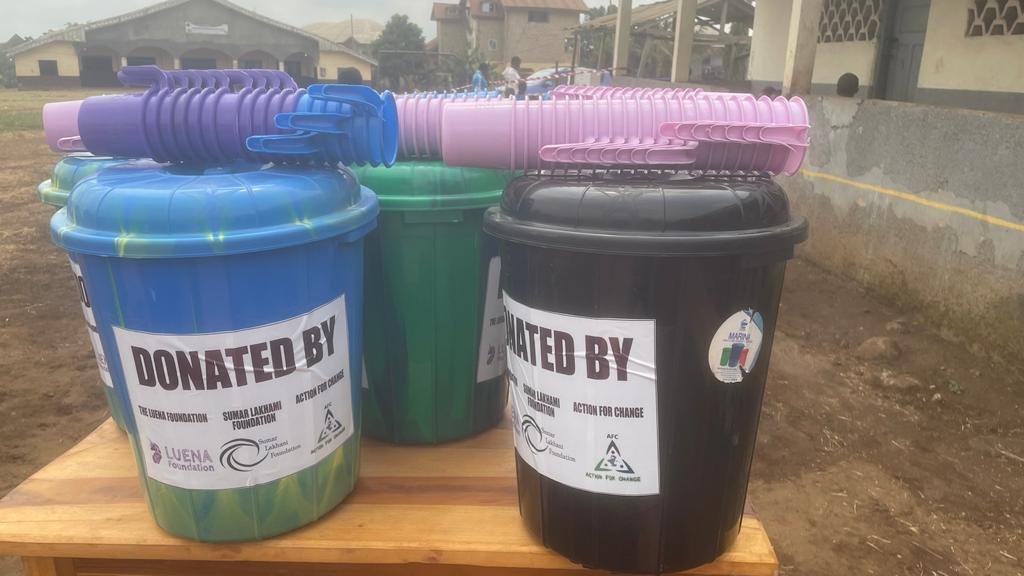
It is against this premise that Action for change intends to seek a long-lasting solution to the above problems by constructing a gender sensitive pit latrine of four compartments, extend safe drinking water, provide drinking cups, buckets and provide text books and other didactic materials at St. Veronique nursery and primary school. The drinkable cups and buckets will help to avoid scrambling around the tap to drink directly from it and hence ensure the long term sustainability of the tap heads. Along with the construction of the latrines and supply of safe drinking water to the school, classes on personal hygiene will be carried out to spread awareness on water-related diseases.
Justification of the project:
The project is needed as it will enhance education in St. Veronique nursery and primary school through the provision of different text books and didactic materials in school Also, the project is necessary because it will enhance hygiene and sanitation at St. Veronique nursery and primary school, thus reducing the rate at which poor, needy and internally displaced children attending St. Veronique nursery and primary school contract water related diseases like cholera and diarrhea due to poor hygiene and sanitation. With the availability of safe drinking water in school, children will now concentrate on their lessons instead of abandoning classes in search of the precious liquid (water) some kilometers away from school. More so, the project is necessary because children will now defecate in a constructed latrine than in pavement or corridors.
The Aim and Objectives of the Project:
The aim of the project is to enhance education through the provision of different text books and other didactic materials, eliminating all forms of preventable diseases and deaths resulting from poor hygiene and sanitation and drinking of contaminated water through the construction of a gender sensitive toilet and extension of safe drinking water at St. Veronique nursery and primary school. The specific objectives of the project are:
• To construct a gender sensitive sanitary pit latrine;
• To extend safe drinkable water to the school;
• To reduce the incidence of cholera outbreak in the school community due to poor hygiene and sanitation;
• To eliminate bad ordour and ensure a conducive learning environment in the school.
• To provide access to textbooks and other basic vital school materials;
• To donate basic school items to vulnerable and needy children attending St. Veronique nursery and primary school;
• To enhance the teaching learning process in St. Veronique nursery and primary school.
Expected Outcome of the Project:
The following outcomes are expected to be achieved at the end of the project:
• Pupils will learn in free polluted atmosphere;
• Incidence of pupils going to defecate in streams and nearby farms prevented;
• Bad and unpleasant smell emanating from school campus stopped;
• Interruption of lessons in search of drinkable water stopped;
• The possibility of cholera outbreak and other water related diseases reduced;
• To provide access to textbooks and other important basic school materials to 286 pupils and their six teachers;
• Basic school materials donated to less privileged children attending St. Veronique primary school;
• General academic performance improves.
Beneficiaries of the project:
The direct beneficiaries of the project are 286 poor and needy children attending St. Veronique nursery and primary school and their six (06) teachers. Indirectly the project will benefit over 2000 people most of whom are parents/guardians of these poor and needy children attending St. Veronique nursery and primary school. Also, the project will benefit the future generation of the school.
***************************
Dental Mission to Serve the Syrian Refugee Children in Lebanon
October 2022

The University at Buffalo Miles for Smiles program is a bi-annual mission aimed at delivering free dental care and education to Syrian refugees. Under the leadership of Dr. Othman Shibly, Miles for Smiles is training volunteers and teachers at refugee camps in Lebanon to perform basic education and oral health care.

Since the Syrian crisis began in 2011 Miles for Smiles has provided treatment for thousands of Refugees through the medical mission in Jordan, Turkey and Lebanon.
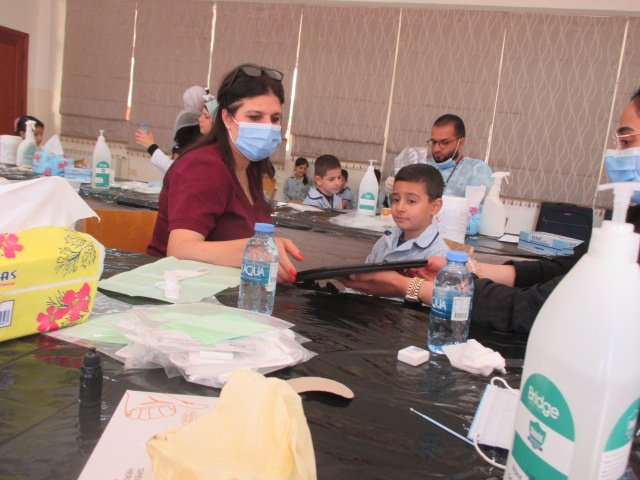
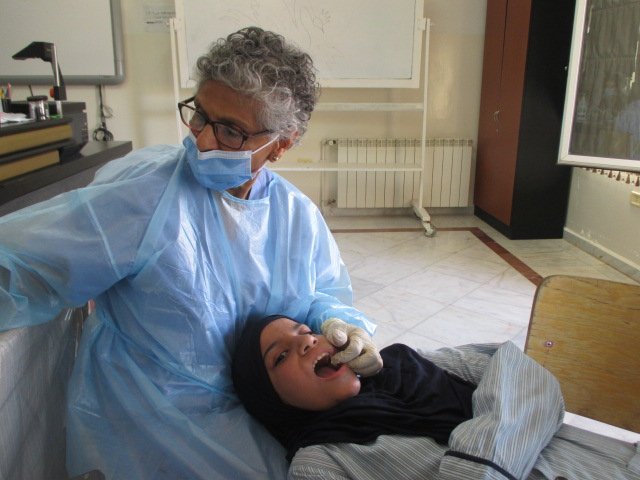
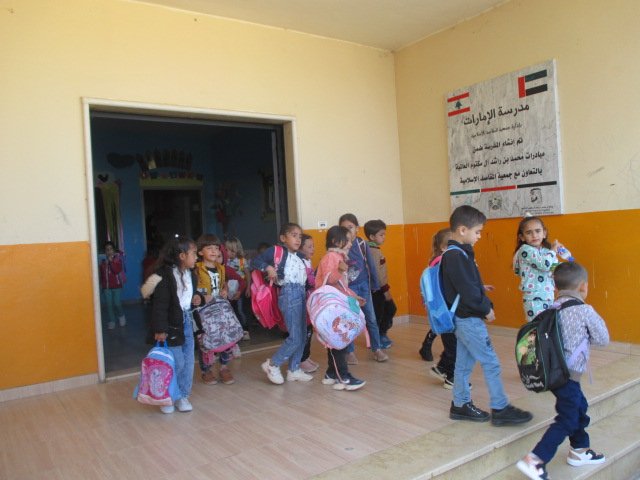
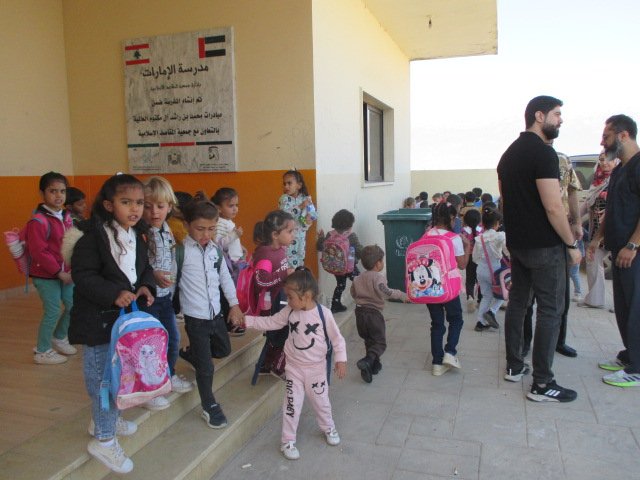
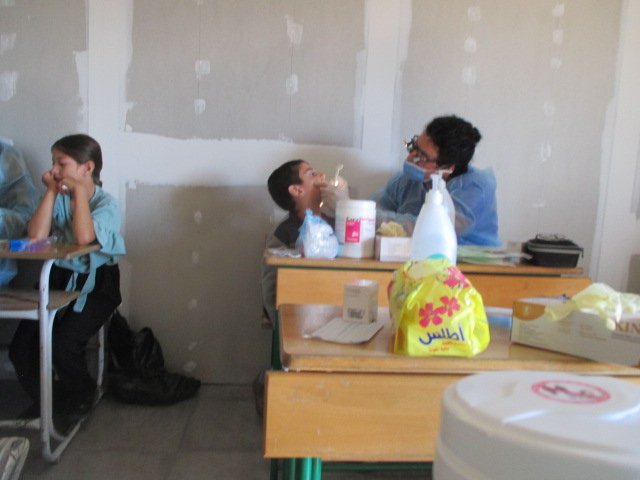
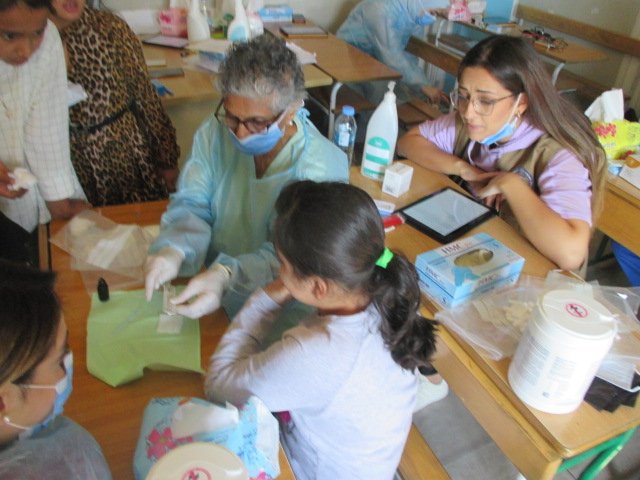
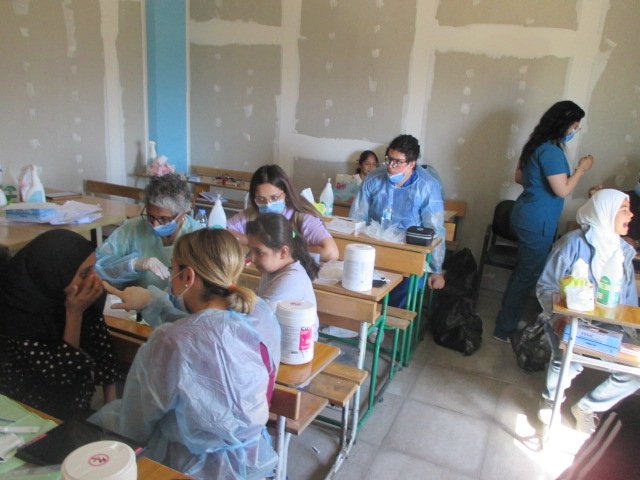
Dr. Dilshad Sumar- Lakhani, a board member for Miles for Smiles Organization went on a humanitarian mission to Beirut, Lebanon. This is her second trip to Beirut. The humanitarian mission took place Oct. 6-14. 20 volunteers from across the United States, Iraq, Kuwait, Lebanon, Saudi Arabia and Syria participated in this program. We provided care to more than a 1000 children in low-income families at three schools in Lebanon, as well as children at three Syrian refugee camps in the country.


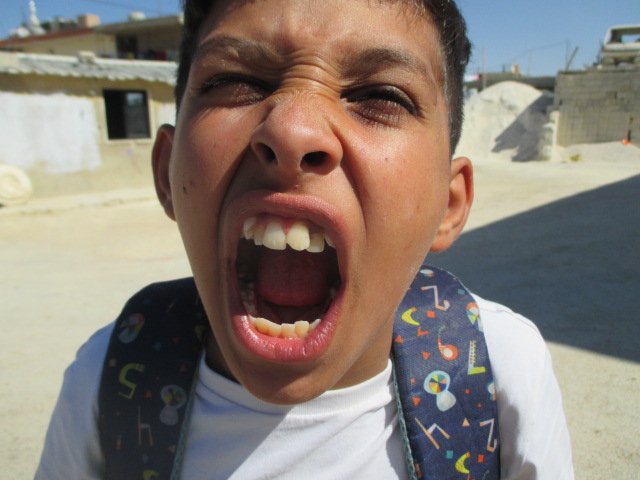
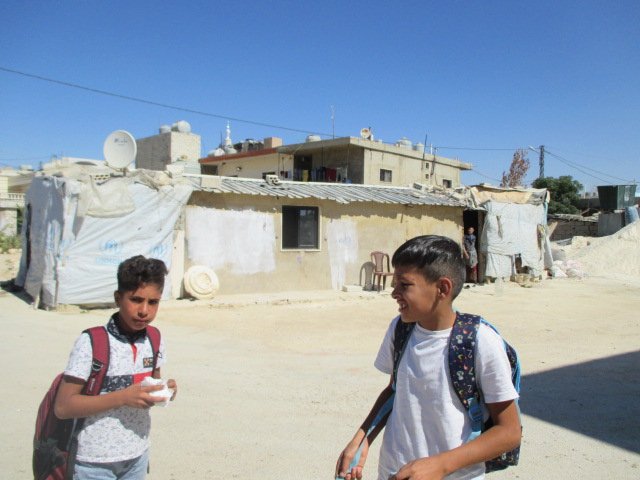
These beautiful children stood in line to get their dental work without any complaints. It was heartwarming to see these children who lived in tents and had just the basic necessity in life were laughing and cooperative. This made our work easier.
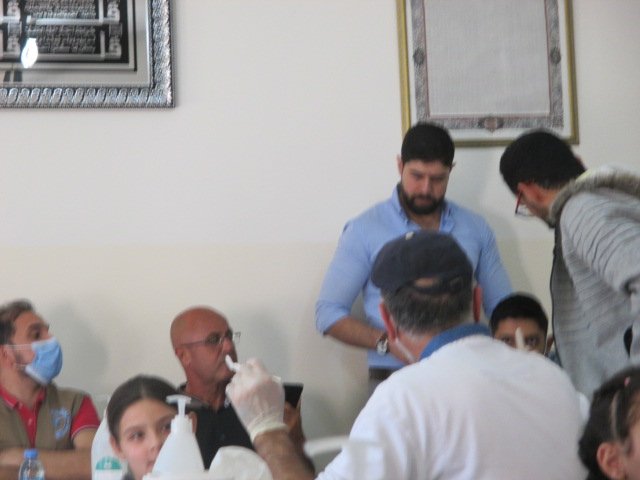
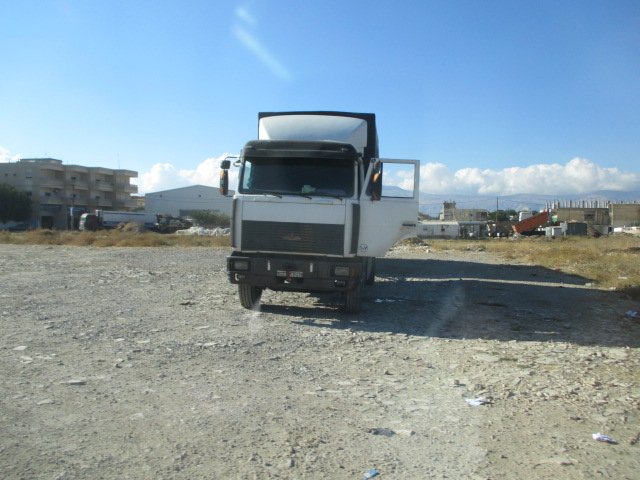
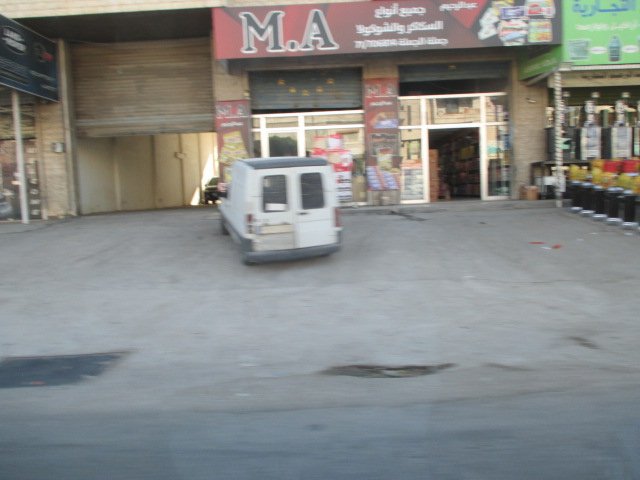
Here are some photos of our team, how we worked in the school and some housing of the refugees.

***************************
Delivering Dentalcare in the Mountains of Hunza
May 2022

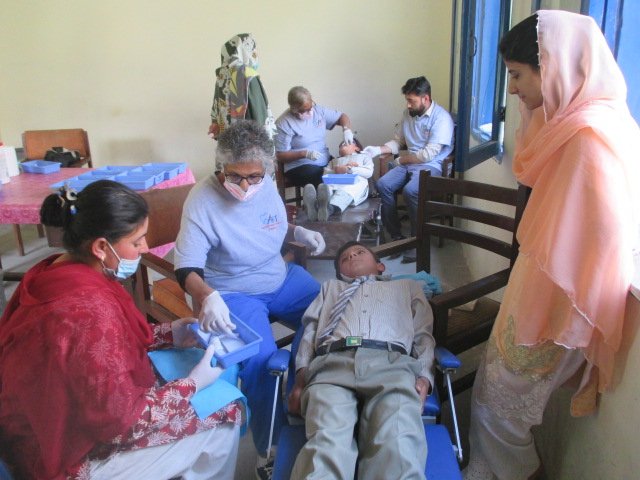
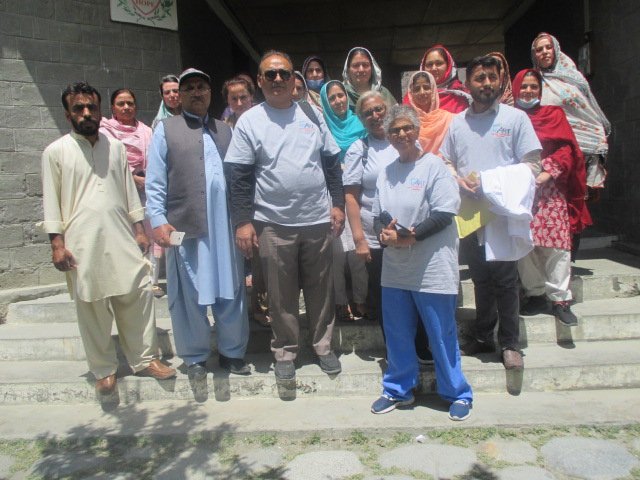
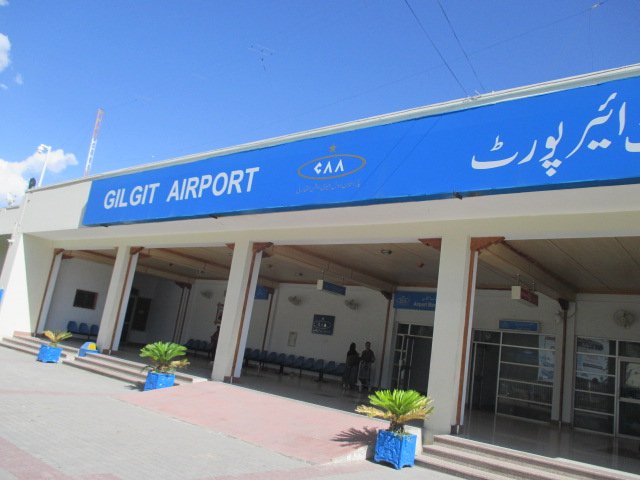
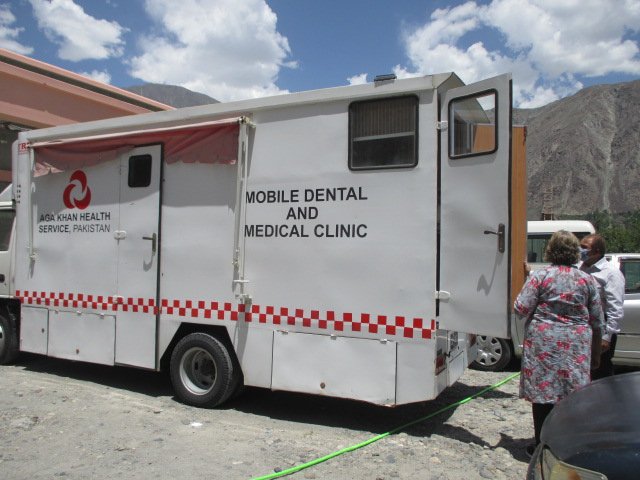
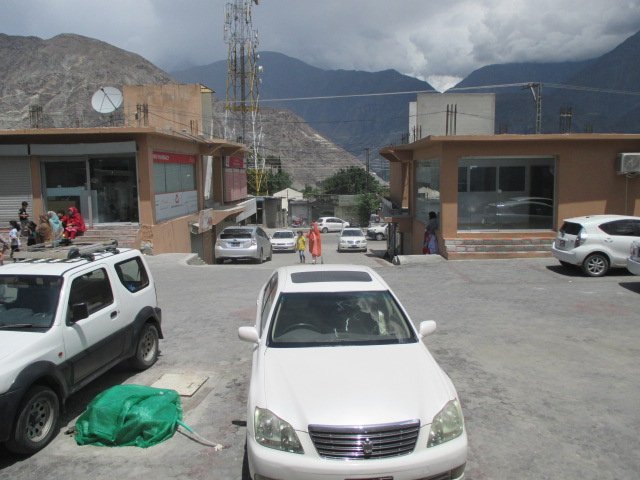
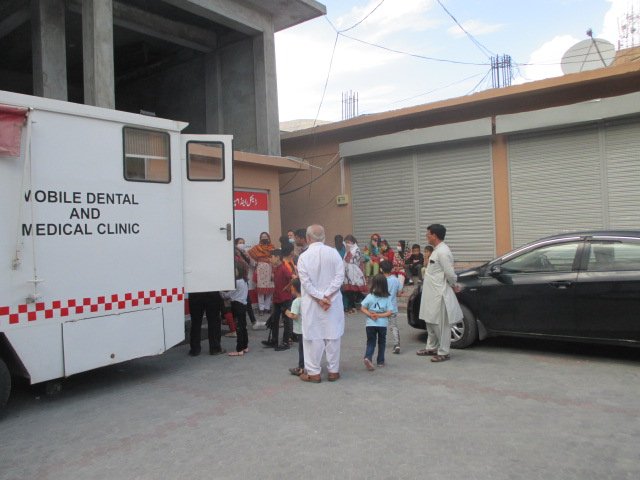
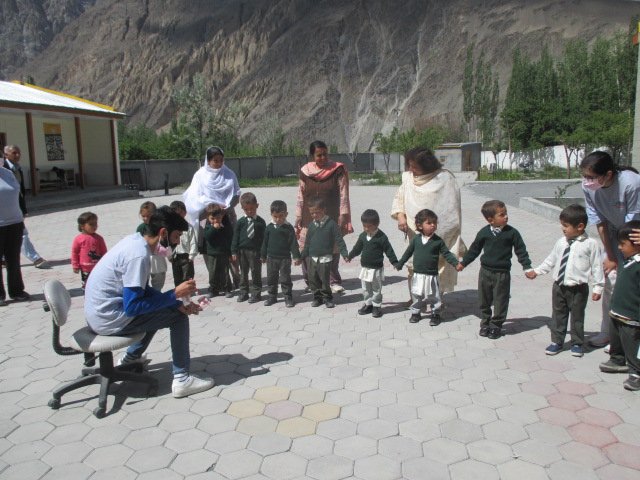
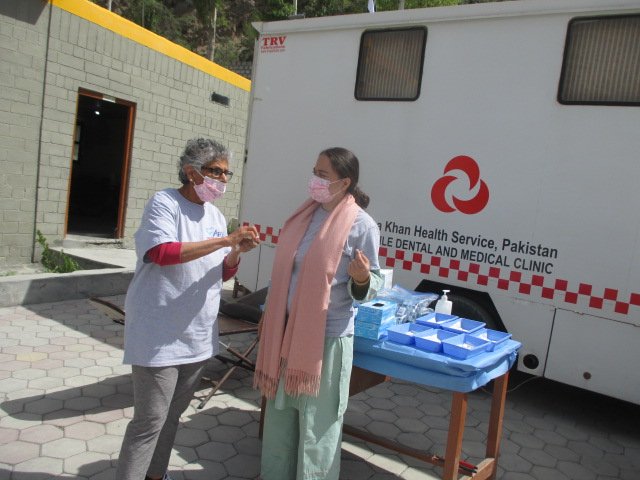
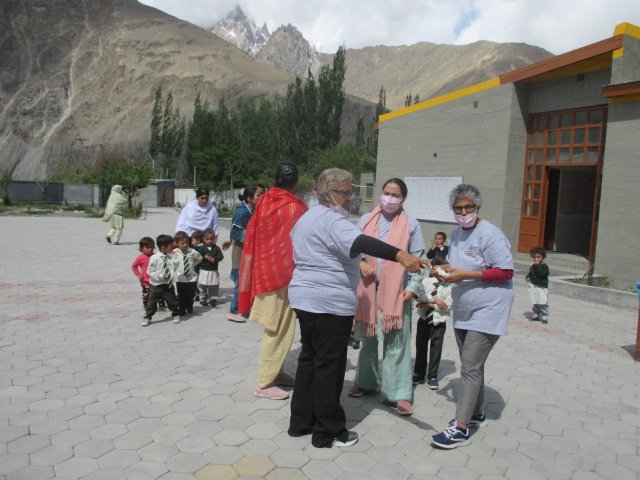
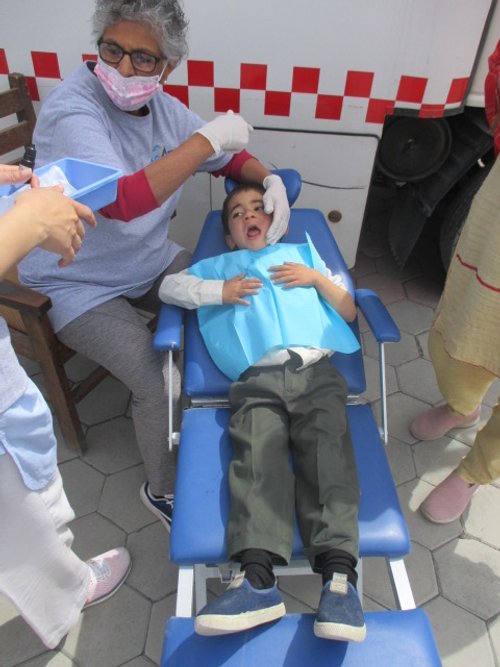
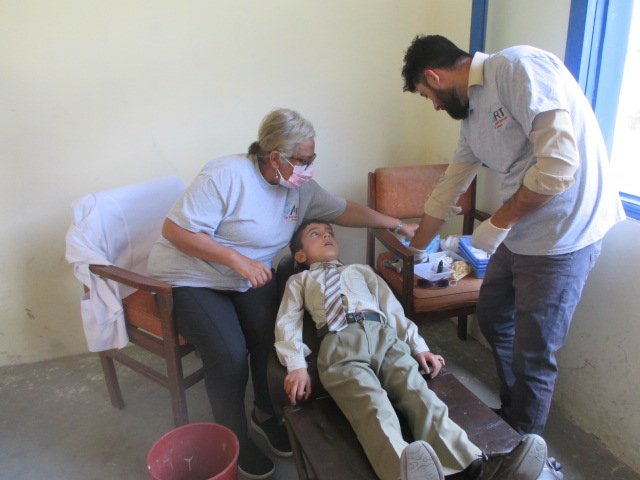
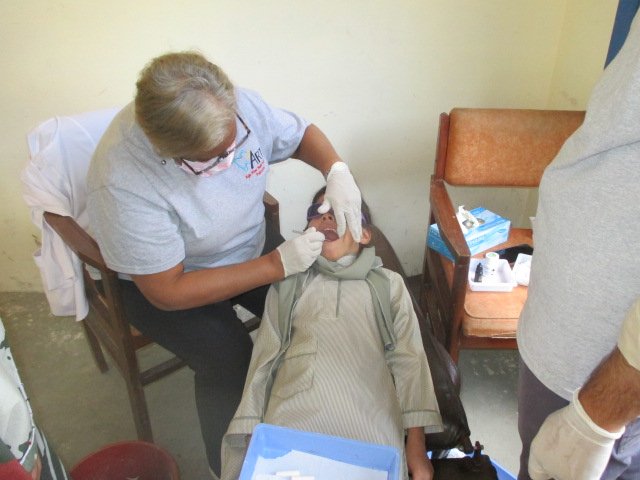
A group of Dentists under the umbrella of the Agakhan Health Services chaired by Dr. Amir Lallani went to Gilgit and Hunza to take care of the dental needs of the children in the schools in the remote area.
The participating dentists were Dr. Faisal Hashwani, originally from Pakistan but practicing at the AHS in Tanzania. Dr. Yasmin Shamji who donated the dental clinic in Gilgit and myself.

Make it stand out
Whatever it is, the way you tell your story online can make all the difference.

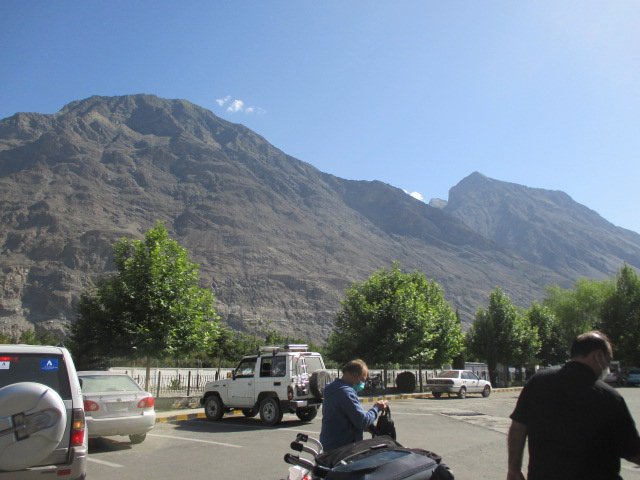
The Dental team from Canada, Tanzania, and USA landed in Islamabad A commuter plane took us through the Pamir mountains into Gilgit. We were lucky that the weather was good and that the planes flew otherwise we would have had to make a 12-hour car ride to Gilgit.

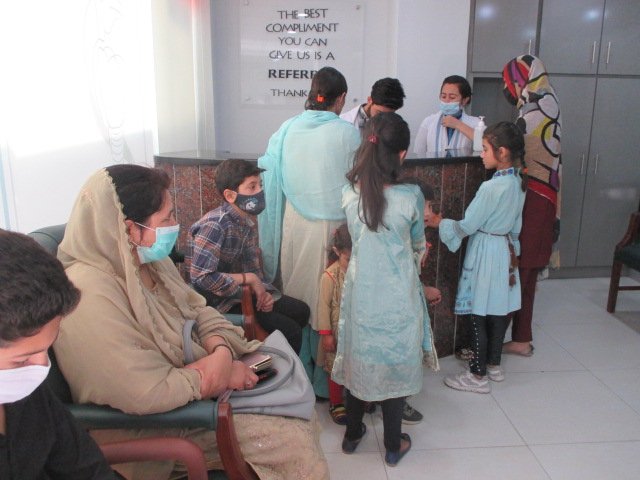
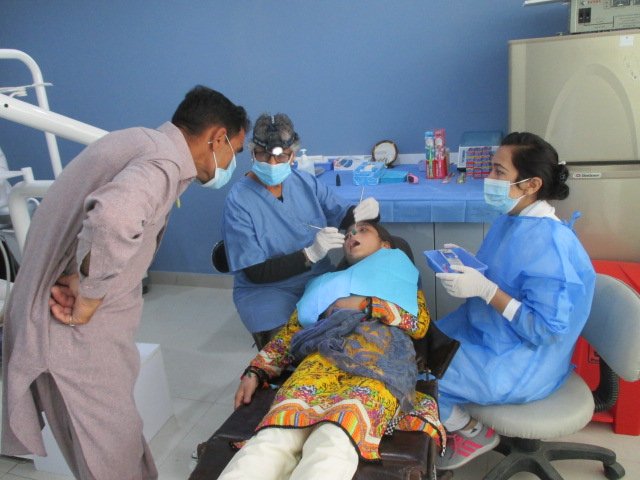
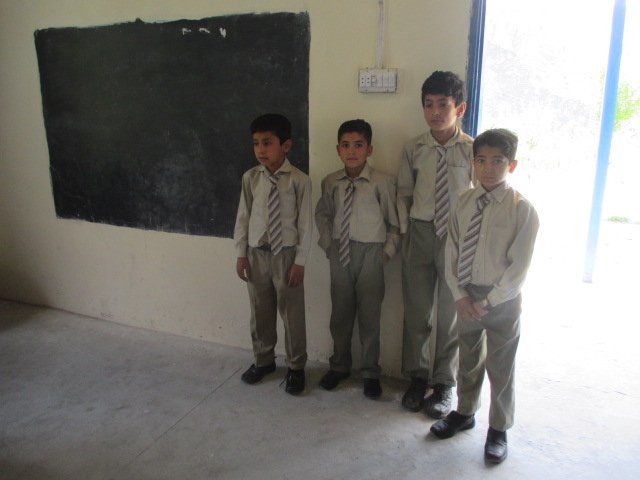
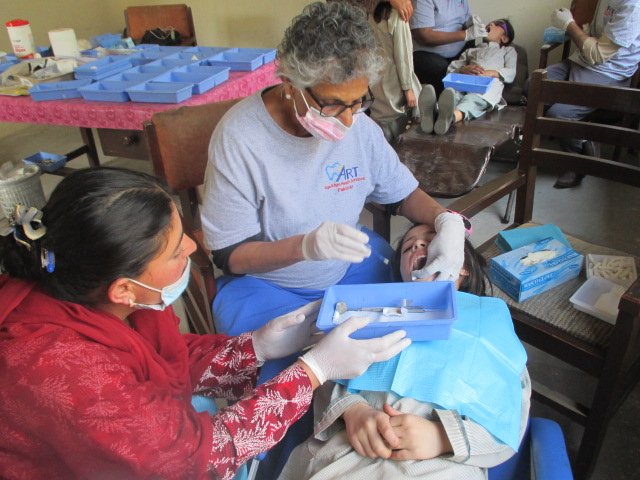
We went to schools and children from kindergarten to 12th grade received preventive dental work and extractions if needed. They also received Oral Hygiene Instructions.


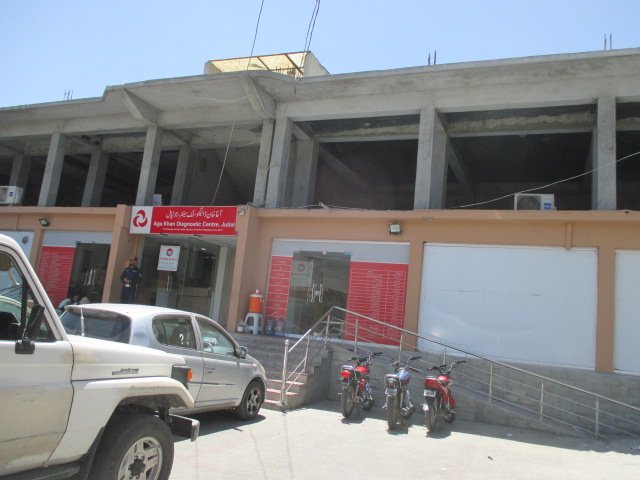
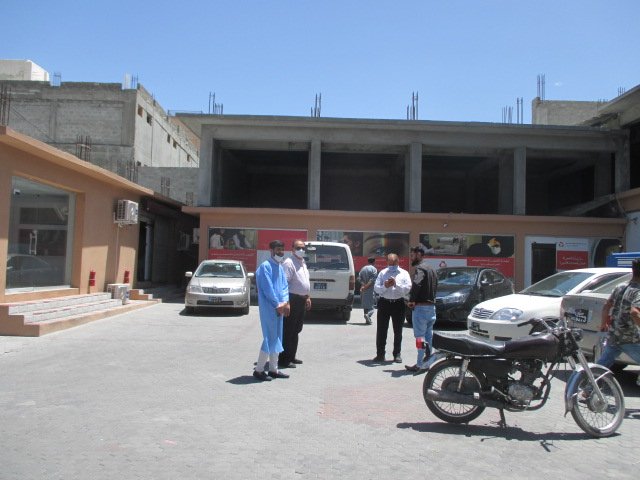
At the Jutial Dental Clinic which was donated by Dr. Shamji, we met Dr. Waqar and Dr. Nina. Announcements were made in the respective Jamatkhanas and members of the community and their friends and neighbors came to the clinic for their children’s preventive work.




Delivering dental care on the Tonle Sap River and Lake in Cambodia
It all begins with an idea.
August 2022
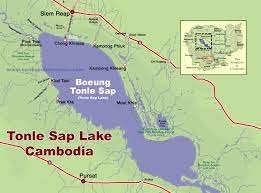
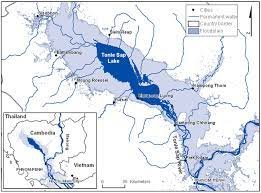
Tonlé Sap is a 'Great River of Freshwater' or 'Great Lakes' and is a blend of the lake and river systems in Tonle Sap and Mekong areas of Cambodia as Southeast Asia's largest freshwater lake and an important point of biodiversity.
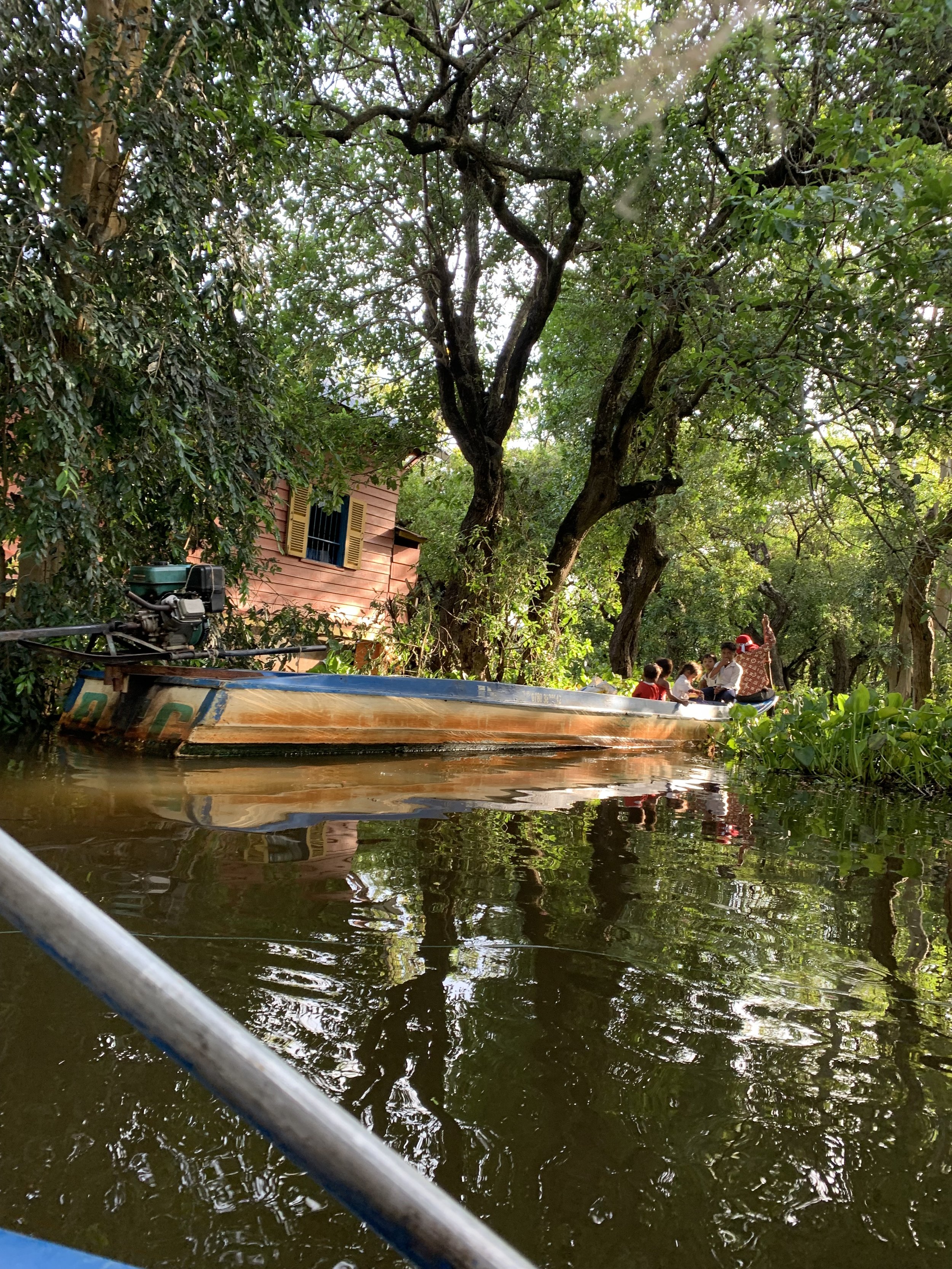
Cambodians live along the river and on the lake, they have floating villages. Access to the town of Siem Reap along the river is either a long ride by tuk tuk or a donkey cart. On the lake, Cambodians travel on canoes to the land and then on land by different means of travel.
Health care is delivered to the inhabitants by an NGO- The Lake Clinic (TLC). People needing medical services travel by boat to TLC hub which is a boat located on the river and another boat located on the Lake. Patients come to the hub for medical treatment mostly in their canoes.
Tonle Sap Lake
Rivers Flowing into Tonle Sap Lake
In August, I had an opportunity to take care of the dental needs of the school children in the schools along the Tonle Sap river and the schools on the floating village.
This is how it worked
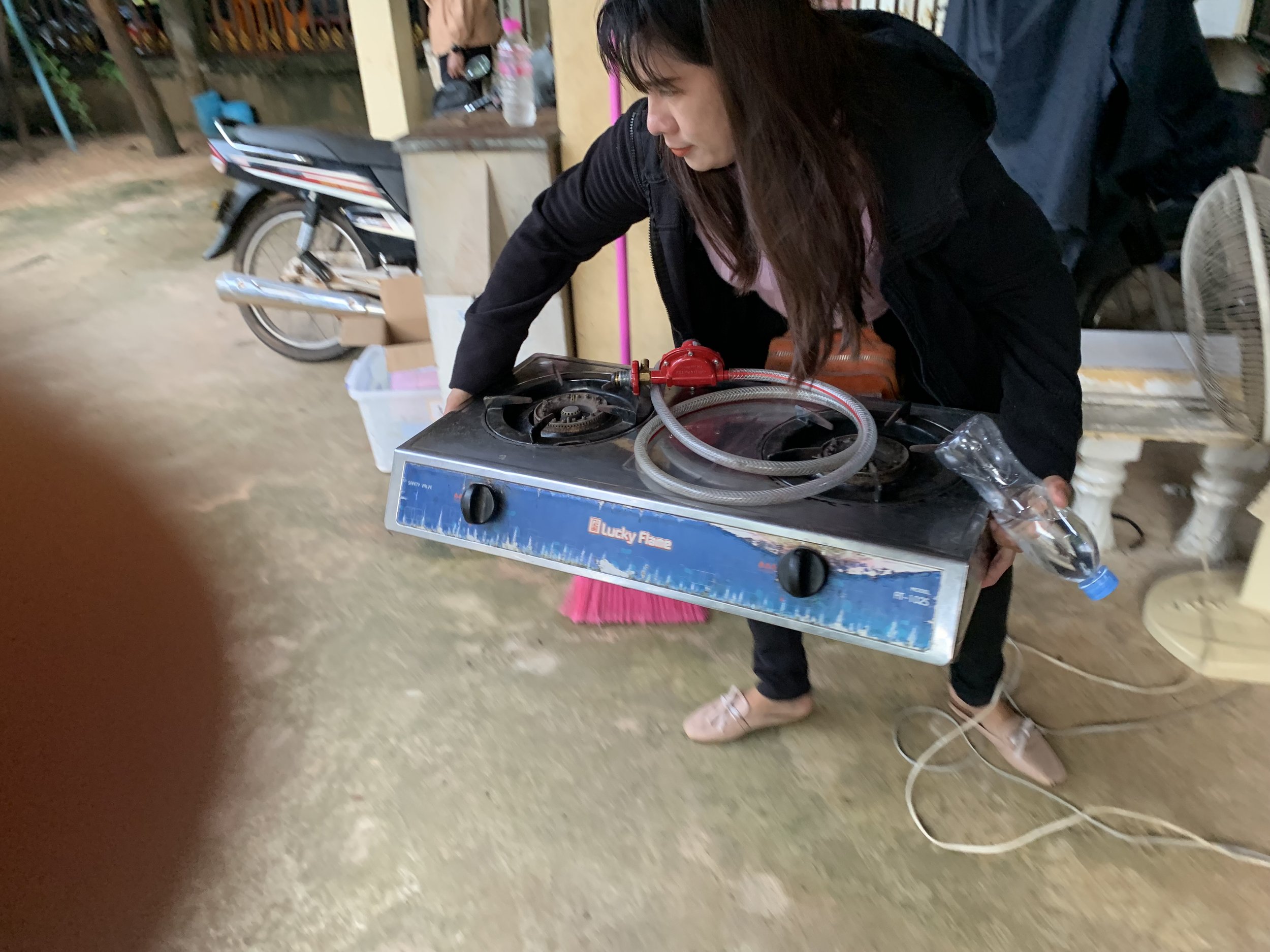
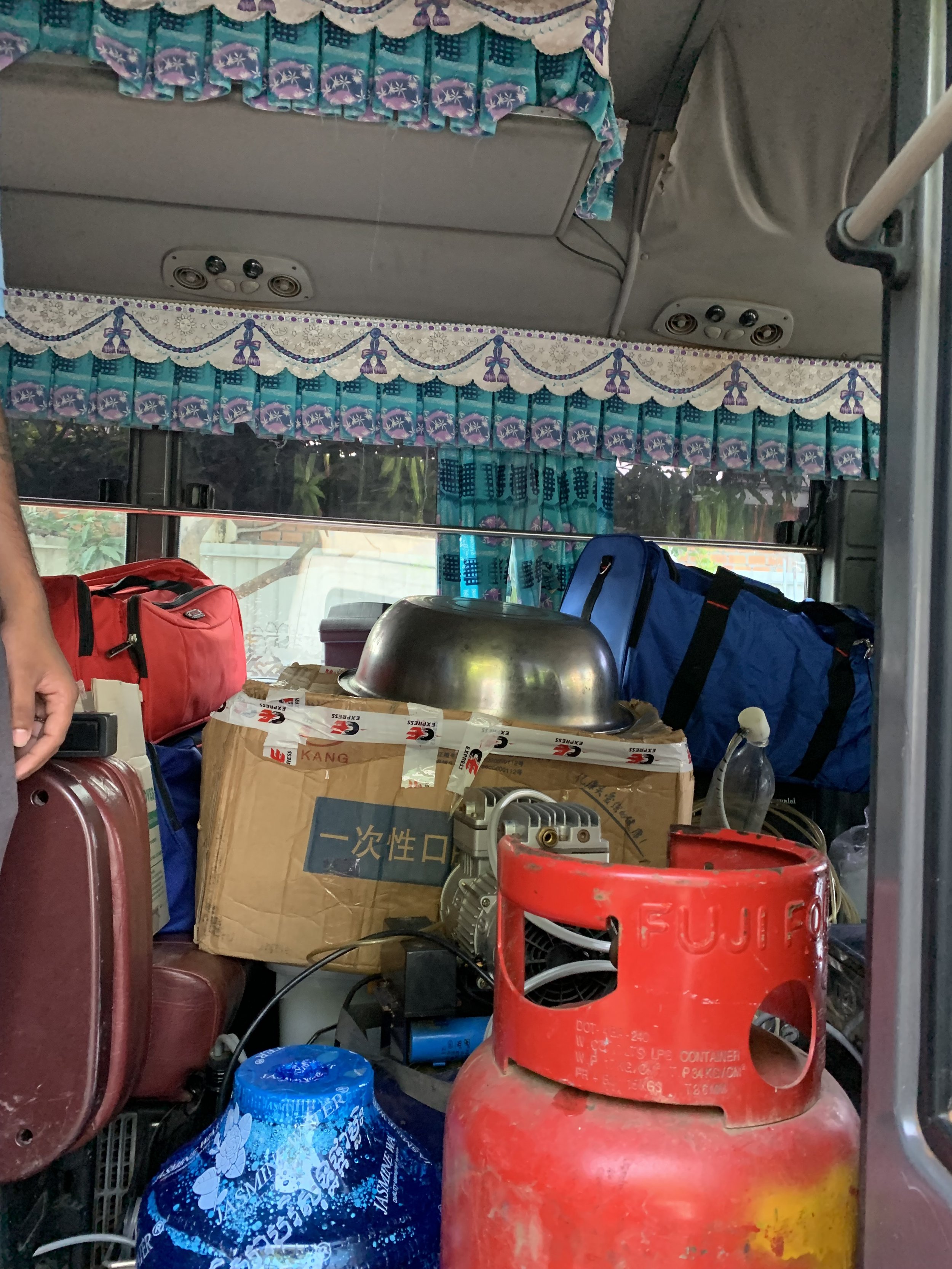
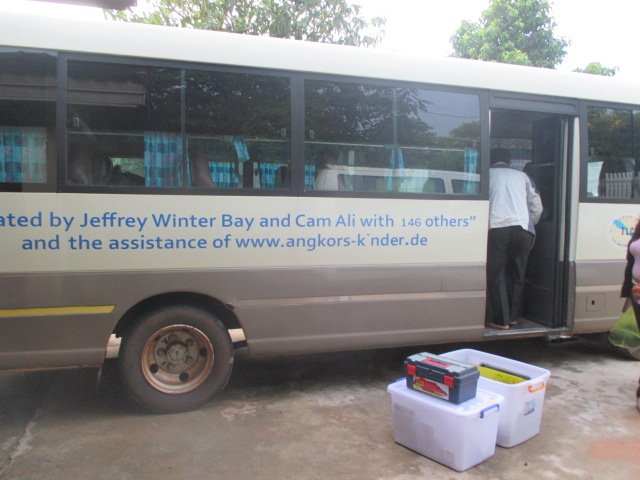
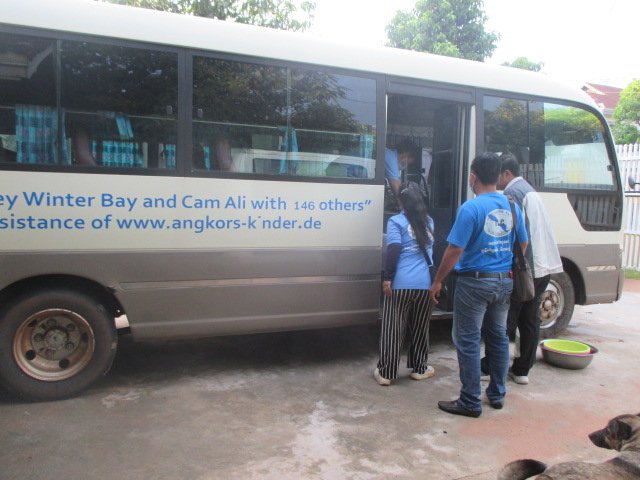
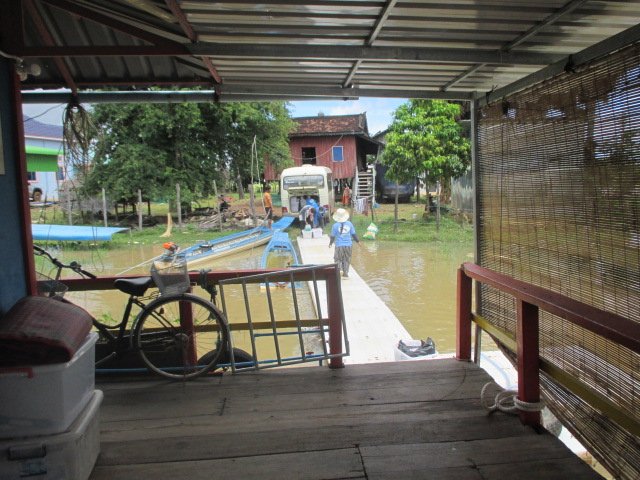
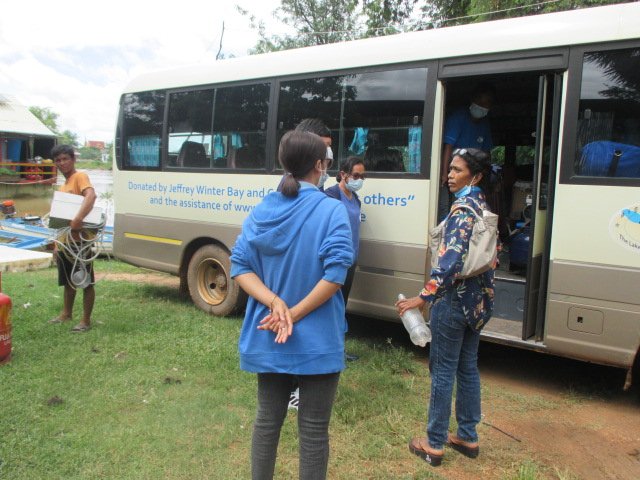
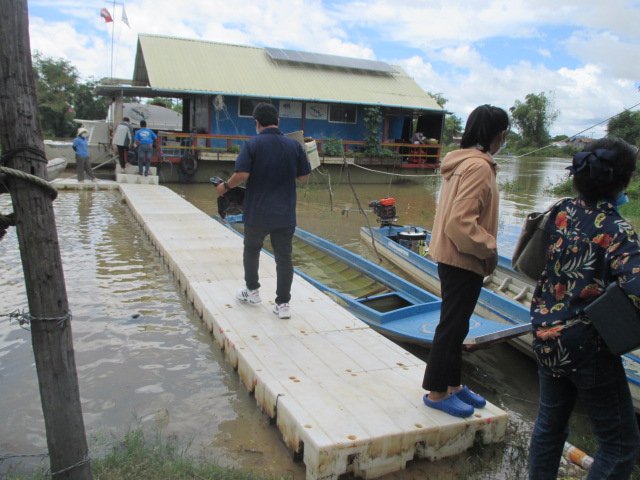
The staff of TLC in Siem Reap loads up the van with all supplies including kitchen supplies and we drove to the banks of the river where we loaded up the supplies on a canoe and headed to our House Boat Hub
Loading and Unloading the Van for the trip to the River
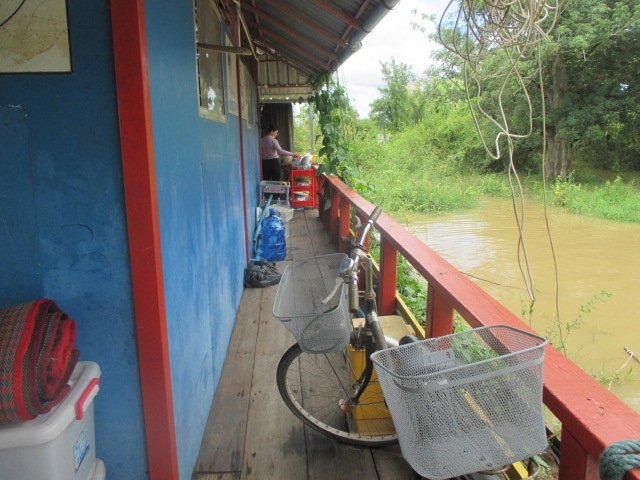
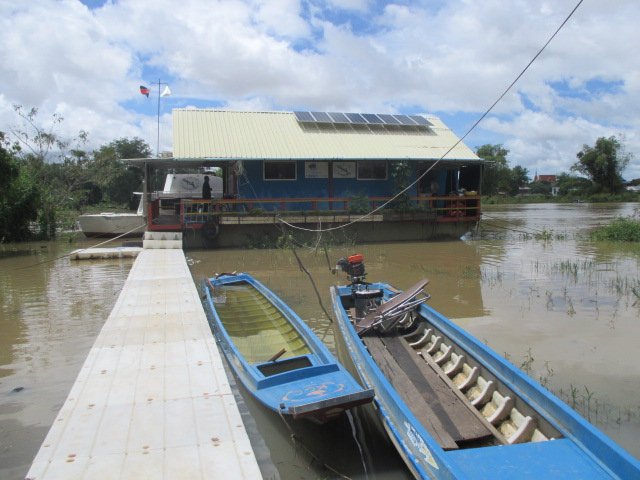
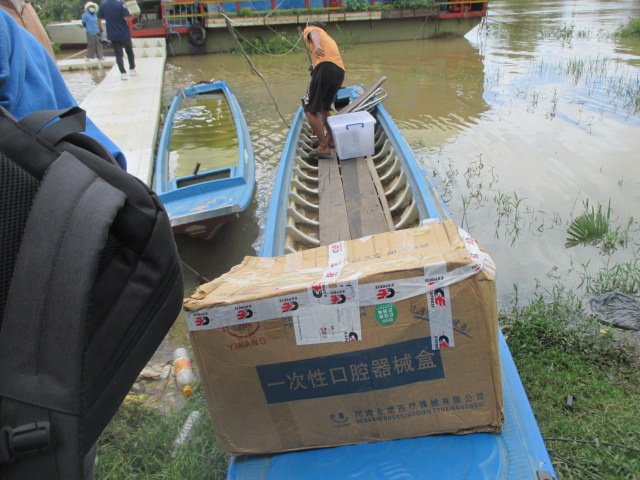

House Boat for the Staff
The next step is to put our dental supplies on our canoe and tread the water of the river to the designated school where we put up shop in one of the classrooms.
There were two Cambodian dentists Dr. Nassa and Dr. Sambho on our team and me. We treated students who came into our makeshift clinic from different classrooms and we applied SDF on ALL carious teeth and Fluoride Varnish. We also extracted root tips and abscessed teeth.
This kind of work continued for 2 other schools. We headed back in the evening to our TLC hub, had dinner, and set up our sleeping quarters under the mosquito nets on our boat and lights out at 8 pm.
Demonstrating the Application of SDF and Treating Children on the Boat
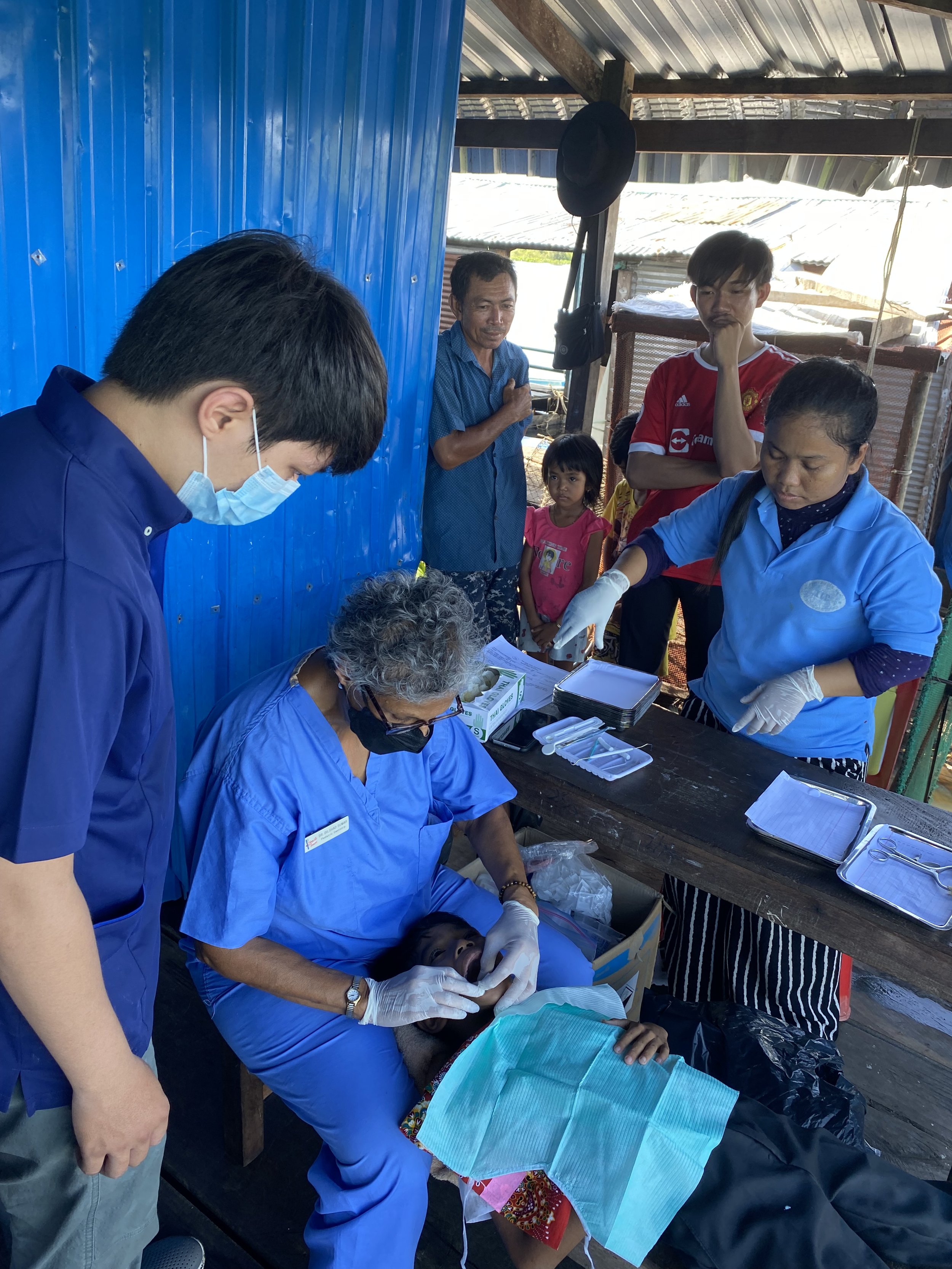

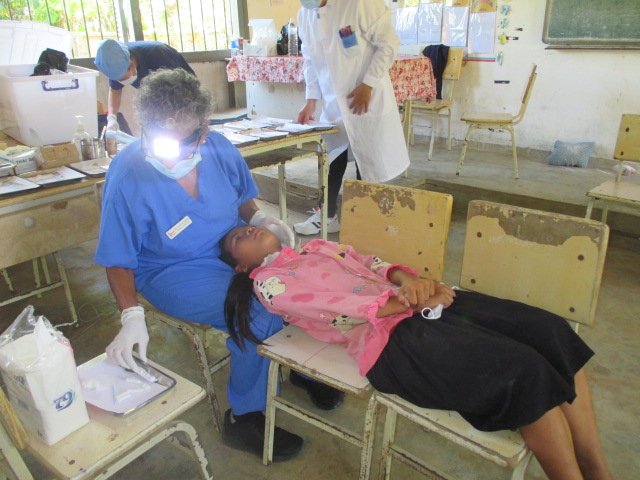
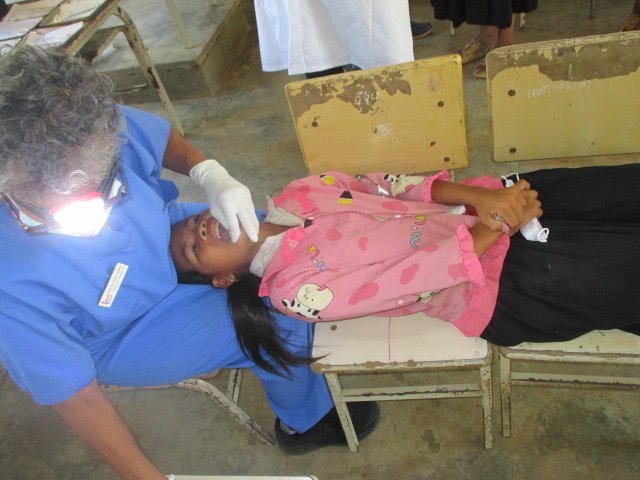
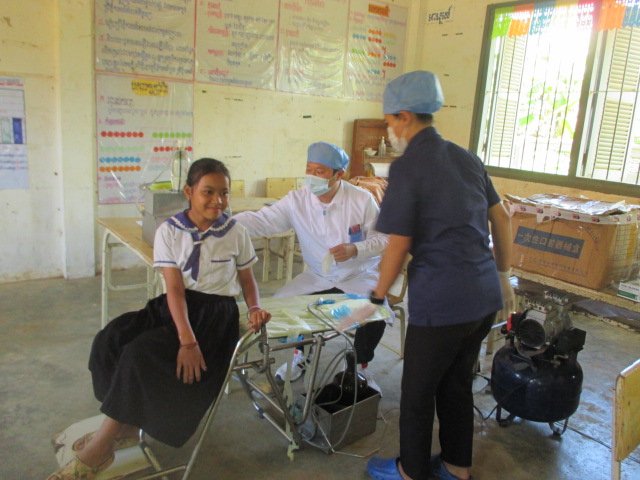
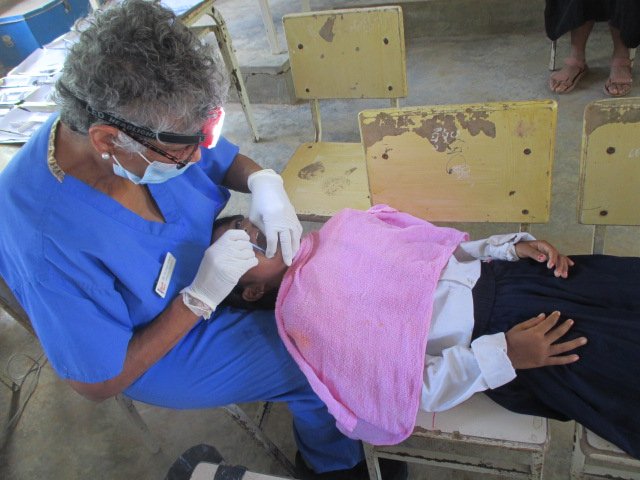
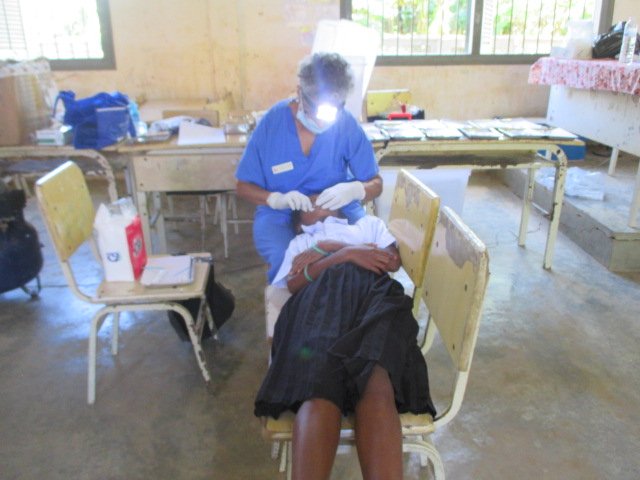

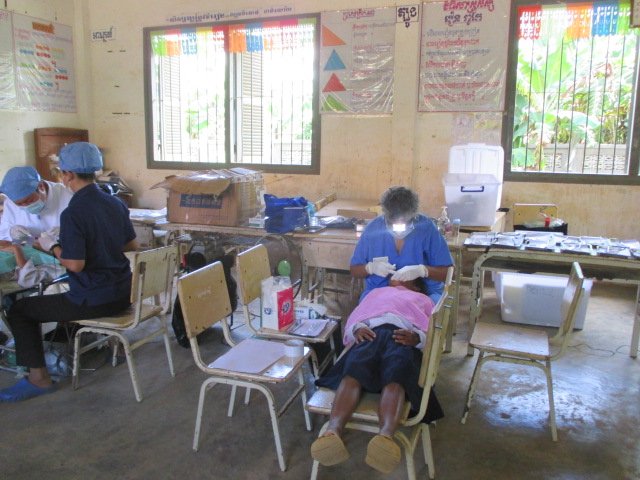
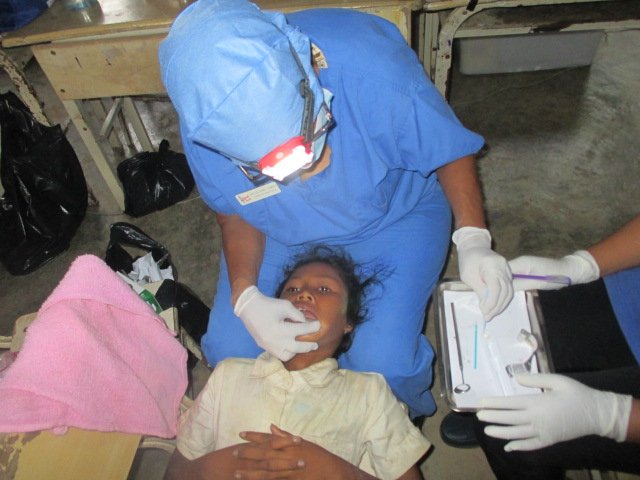
We worked for 3 days and spent 2 nights in our Stationary Houseboat and then headed back to Siem Reap. Downloaded our equipment and the staff went home and I went to my hotel.
Week 2, the adventure was on the lake. The lake is about 2 hours driving distance from Siem Reap. We had the same setup on the Lake. Our own houseboat which served as our Hub. At the Hub, the patients come for their medical treatment from their floating homes..
We set up the school desks for our treatment. One by one the patients came in for the application of SDF and Fluoride varnish. We did some extractions as well.
In total with 2 dentists and 2 assistants, we saw 345 patients in 4 days.
Dr. Thourida Hun a physician came with us to the school and floating villages. She was such a sport that she learned how to diagnose dental decay and abscesses and applied SDF on carious teeth. She was a great help to the dental team.
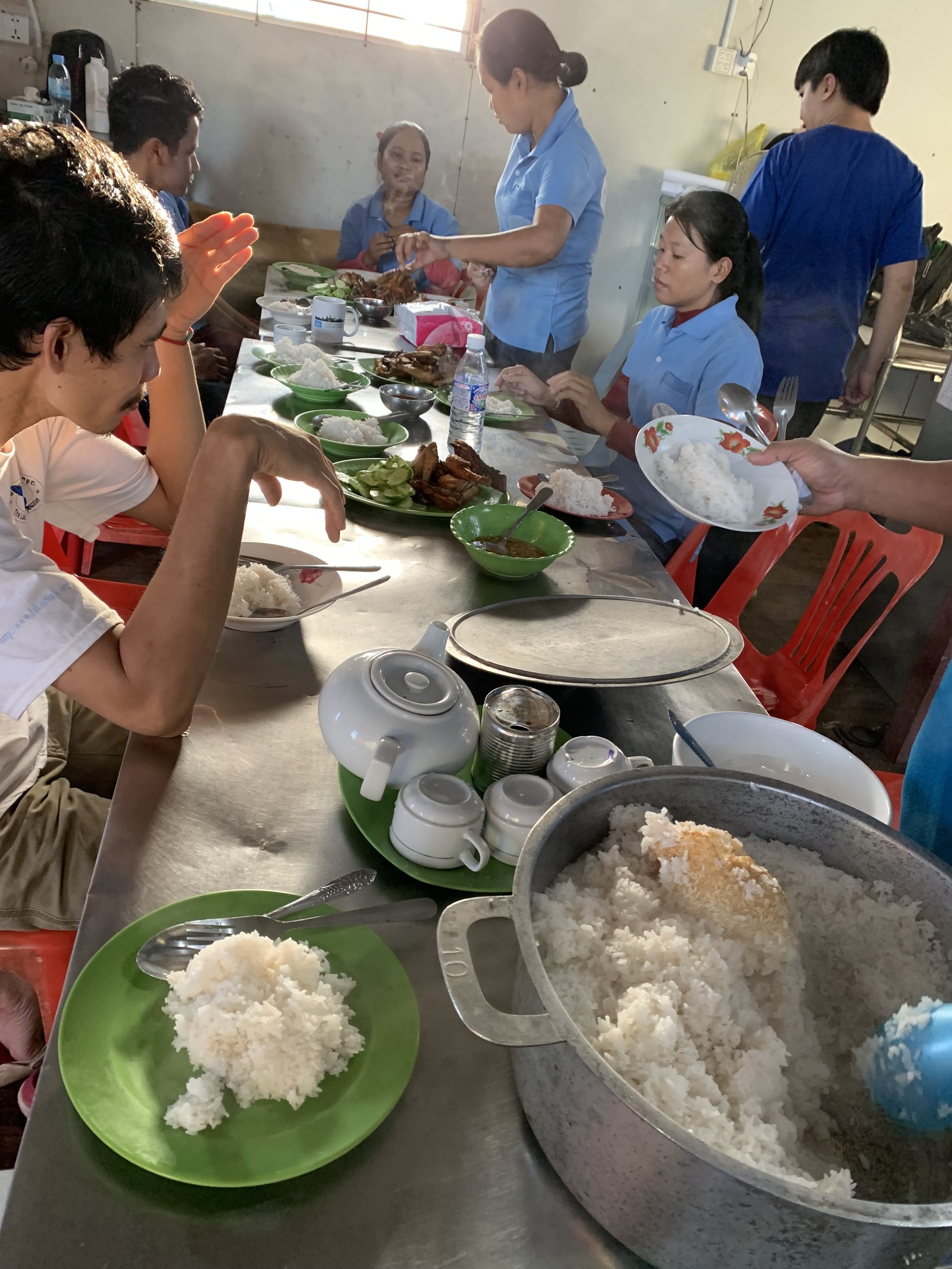
Lunch and Dinner for the Staff on the boat House
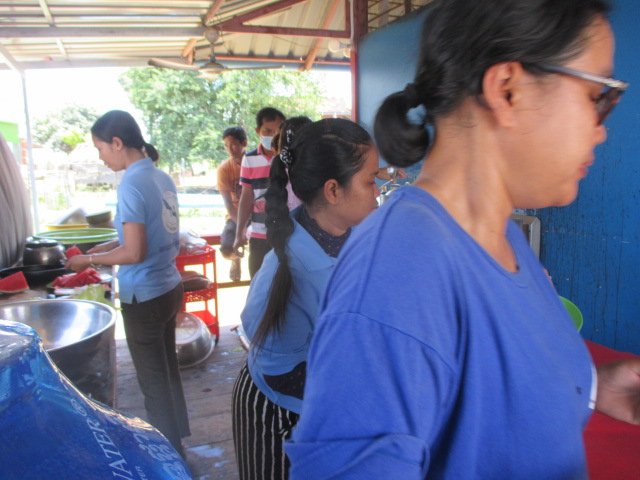
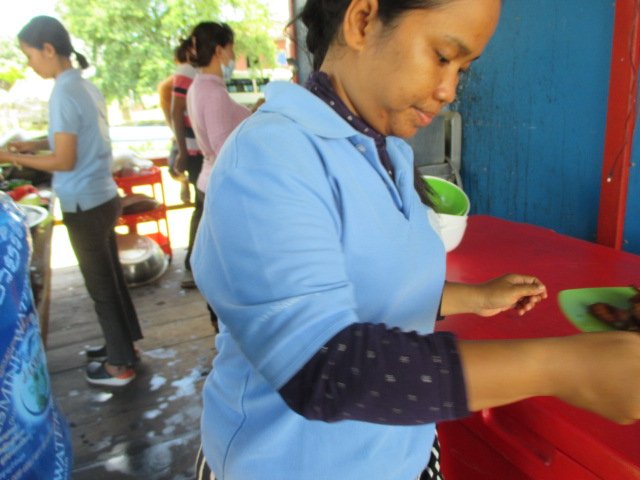
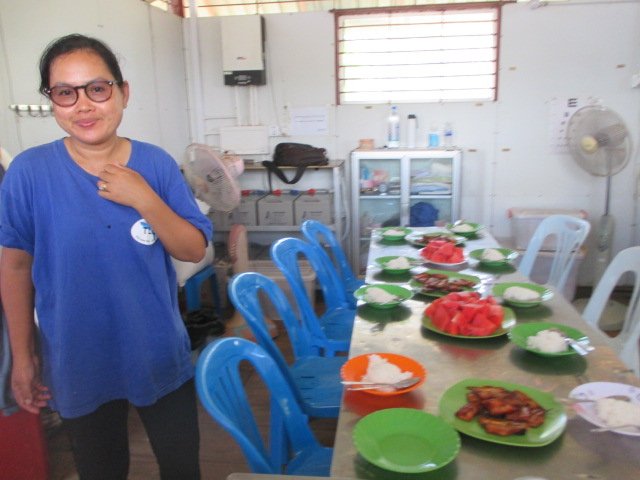
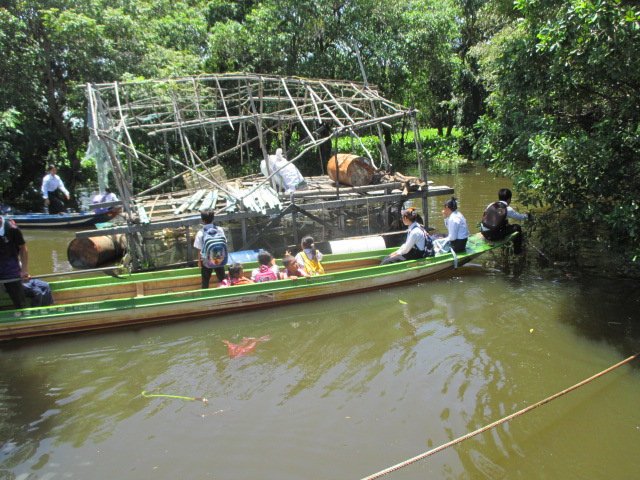
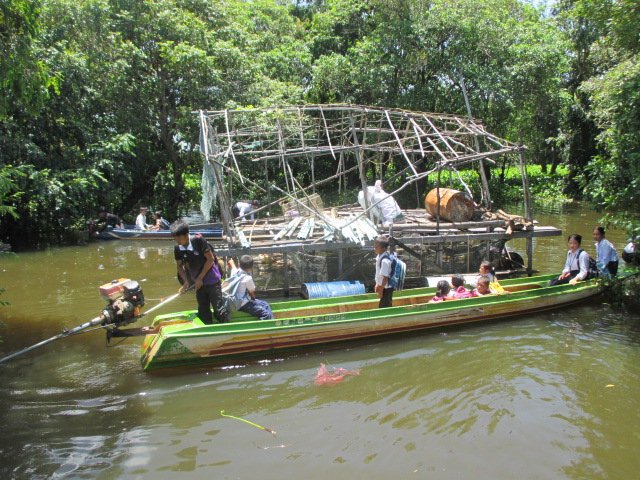
Children Going to School in Canoes